
Filter Showerhead Handheld

What a Filter Showerhead Handheld Actually Does
A filter showerhead handheld combines two functions in one unit. It filters the water coming out of your shower while giving you a flexible, handheld spray wand. You get cleaner water and full directional control at the same time.
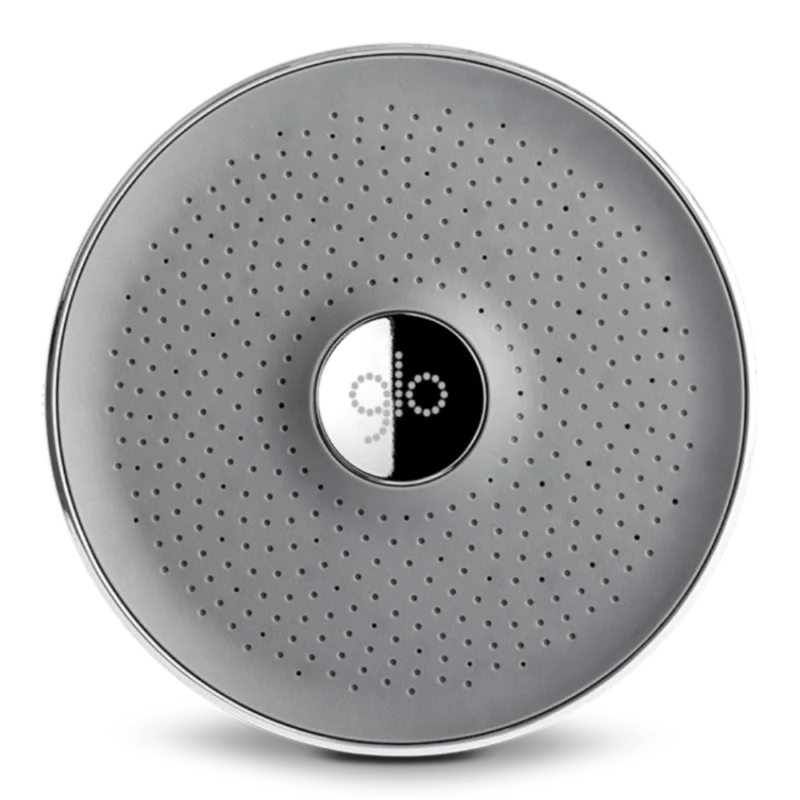
Refresh starts here. The GLO – Filtered Shower Head transforms ordinary water into pure clarity—removing impurities and softening every drop for radiant skin and luminous hair. One effortless switch turns your daily shower into a wellness ritual, leaving your body renewed and refreshed with every use.
Standard showerheads deliver tap water directly to your skin and hair. Tap water carries chlorine, chloramine, heavy metals, sediment, and hard water minerals. These compounds strip moisture from skin, cause scalp irritation, and leave hair brittle and dull. A filtered handheld unit removes or reduces these contaminants before they reach you.
The handheld design adds practical value. You can rinse children, clean the shower walls, wash pets, and target specific areas of your body with ease.
A Brief History of Shower Filtration
Shower filtration started gaining traction in the early 1990s. At that time, researchers confirmed that the skin absorbs chlorine during a hot shower at a rate comparable to drinking several glasses of chlorinated water. This finding pushed consumer interest toward filtration options.
Early filter showerheads were fixed-mount units with basic KDF (Kinetic Degradation Fluxion) media. They reduced chlorine but had low flow rates and short filter lifespans. The technology improved steadily through the 2000s as multi-stage filtration and activated carbon became standard in mid-range products.
The handheld form factor became popular as bathroom design shifted. Consumers wanted flexibility. Manufacturers responded by integrating filter cartridges into handheld bodies and pairing them with long, flexible hoses. By the 2010s, multi-stage filter handheld units with stainless steel finishes and adjustable spray settings became widely available at accessible price points.
Today, the best units on the market use 3-stage or 5-stage filtration, high-density shower hoses, and ergonomic wand designs built to last.
How the Filtration Technology Works
Understanding the filter media helps you choose the right product and replace cartridges at the right time.
KDF-55 Media
KDF-55 uses a zinc-copper alloy to reduce chlorine and heavy metals through a redox (reduction-oxidation) chemical reaction. It is most effective in hot water, which makes it ideal for showers. KDF-55 also inhibits bacterial growth inside the filter housing.
Activated Carbon
Activated carbon (often in granular or block form) adsorbs chloramine, volatile organic compounds (VOCs), and odors. It works by trapping contaminants in tiny pores on the carbon surface. Carbon filters have a finite capacity and must be replaced regularly.
Calcium Sulfite
Calcium sulfite neutralizes chlorine quickly and works across a wider temperature range than KDF alone. It is common in Japanese-made filter cartridges and is highly efficient per gram of media.
Ceramic Balls and Infrared Media
Some premium units include ceramic mineral balls or far-infrared beads. These are marketed to improve water feel and balance pH. Scientific evidence for these claims is limited, but many users report softer-feeling water after installation.
Multi-Stage Filter Combinations
The most effective units stack two or more of these media types. A typical 3-stage cartridge uses KDF-55, activated carbon, and a sediment pre-filter. This layered approach targets a broader range of contaminants and extends the effective life of each media stage.
Key Technical Specifications to Evaluate
Before you buy, compare these specifications across models.
| Specification | Budget Tier | Mid-Range Tier | Premium Tier |
|---|---|---|---|
| Filter Stages | 1–2 | 3 | 5+ |
| Cartridge Lifespan | 1–2 months | 3–6 months | 6–12 months |
| Flow Rate | 1.8–2.5 GPM | 1.8–2.5 GPM | 1.5–2.0 GPM |
| Spray Settings | 1–3 | 3–5 | 5–8 |
| Hose Length | 60 in | 60–72 in | 72–79 in |
| Filter Media | KDF or carbon | KDF + carbon | KDF + carbon + ceramic |
| Housing Material | Plastic | ABS plastic + chrome | Stainless steel or brass |
| Certifications | None | NSF/ANSI tested | NSF/ANSI 177 certified |
GPM stands for gallons per minute. Lower GPM units save water but may feel less powerful. Most users find 1.8–2.0 GPM a comfortable balance.
NSF/ANSI 177 is the industry standard for shower filtration performance. Look for this certification when purchasing a unit intended for health or sensitive skin purposes.
Refresh starts here. The GLO – Filtered Shower Head transforms ordinary water into pure clarity—removing impurities and softening every drop for radiant skin and luminous hair. One effortless switch turns your daily shower into a wellness ritual, leaving your body renewed and refreshed with every use.
Benefits You Will Notice
Users who switch to a filter showerhead handheld from a standard showerhead report consistent improvements in several areas.
Skin hydration improves because chlorine strips the skin’s natural oils. Less chlorine exposure means skin retains moisture more effectively between showers.
Hair texture changes noticeably. Chlorine and hard water minerals coat the hair shaft and cause it to feel rough and look dull. Filtered water rinses cleaner and leaves hair softer.
Scalp health improves for people prone to dryness, itching, or flakiness. Chloramine is a known irritant. Removing it reduces the inflammatory response some scalps have to tap water.
Eye and sinus sensitivity decreases for users who shower with their face in the stream. Chlorine vapors in hot showers can irritate eyes and airways, particularly in people with asthma or allergies.
Shower control improves with the handheld design. You can rinse precisely, avoid wetting your hair on days you don’t want to, and clean hard-to-reach areas of the shower enclosure without contorting yourself.
Who Benefits Most
Certain users see the most dramatic improvement from switching to a filtered handheld unit.
- People with eczema, psoriasis, or sensitive skin
- Those with color-treated or chemically processed hair
- Pregnant women who want to reduce chemical exposure
- Young children and infants being bathed
- People on well water with high mineral content
- Anyone in a city with high chloramine levels in the municipal supply
- Athletes who shower frequently and experience excessive skin dryness
Installation: What You Need to Know
Most filter showerhead handheld units install without tools in under 10 minutes.
- Remove the existing showerhead by turning it counterclockwise by hand or with a wrench. Wrap the shower arm threads with PTFE plumber’s tape (2–3 wraps) before installing the new mount.
- Attach the wall bracket or slide bar mount to the shower arm. Hand-tighten, then give a quarter turn with a wrench. Do not over-tighten.
- Connect the hose to the wall bracket. Connect the other end to the handheld wand.
- Insert the filter cartridge into the wand housing if it is not pre-installed.
- Run water for 30 seconds to flush loose carbon dust from the new cartridge.
Most units fit standard ½-inch NPT shower arm threads. If you have an older or non-standard fixture, check the thread size before purchasing.
Maintenance and Filter Replacement
Proper maintenance keeps the unit performing at its rated level.
Replace the filter cartridge on schedule. Most manufacturers rate cartridges by volume (10,000–20,000 gallons) or time (3–6 months). In hard water areas or homes with high chlorine levels, replace cartridges on the shorter end of the recommended range. Expired cartridges can harbor bacterial growth and may release trapped contaminants back into the water.
Clean the spray nozzles monthly. Hard water deposits clog the spray holes over time. Soak the wand face in a bowl of white vinegar for 30 minutes, then scrub with a soft brush. This restores full flow and even spray distribution.
Inspect the hose annually. Check for kinking, cracking, or rust at the connector ends. A damaged hose loses pressure and can leak at the fittings. Most hoses are interchangeable and inexpensive to replace.
Flush after vacations or long gaps in use. Run the shower for 60 seconds before bathing if the unit has not been used for more than a week.
Common Problems and How to Fix Them
Low water pressure after installation usually means the filter cartridge is packed too tightly or the sediment pre-filter is clogged. Replace the cartridge and check the flow limiter washer inside the hose connection.
Water smells like chlorine after a new cartridge is usually caused by insufficient flushing at installation. Run water for 2–3 minutes to clear residual carbon fines.
Leaking at the hose connection is almost always solved by reapplying PTFE tape and hand-tightening the connection. Do not use tools on the hose fittings; the threads are softer than the wall bracket threads.
Spray setting selector feels stiff or sticky often results from mineral buildup inside the selector mechanism. Soak and rinse with vinegar as described above.
How to Choose the Right Unit: A Step-by-Step Summary
Follow these steps to narrow your selection efficiently.
- Test your water. Order an inexpensive home water test kit or check your municipality’s annual water quality report. Identify your primary contaminants: chlorine, chloramine, heavy metals, or sediment.
- Choose the right filter media. For chlorine, KDF-55 or calcium sulfite works well. For chloramine, you need activated carbon. For heavy metals, KDF-55 is essential.
- Set your budget. Expect to spend $40–$80 for a reliable mid-range unit with a 3-stage filter and 3–6 month cartridge life. Premium units with NSF certification run $80–$150.
- Check the spray settings. Choose a unit with at least 3 settings: full flow, massage, and mist. More settings are useful if multiple people with different preferences share the shower.
- Confirm the hose length. A 60-inch hose reaches most areas easily. If you have a tall shower or need to reach the floor for rinsing children or pets, choose 72 inches or longer.
- Verify filter availability. Confirm replacement cartridges are sold separately and are easy to source. Some budget units use proprietary cartridges that become unavailable when the product line is discontinued.
- Look for NSF/ANSI 177 certification. This confirms the unit has been independently tested to remove at least 50% of free chlorine at rated flow. It is the minimum credibility standard for health-related filtration claims.
Final Thoughts
A filter showerhead handheld is one of the most practical upgrades you can make to your daily routine. It delivers filtered water to your skin and hair every day while giving you the flexibility of a handheld wand. The installation is simple, the maintenance is minimal, and the benefits are measurable for most users within a few weeks of switching.
Choose a unit with multi-stage filtration, a certified cartridge lifespan that matches your water quality, and a hose length that fits your shower setup. Replace the cartridge on schedule and clean the nozzles monthly. Done correctly, this is a low-effort, high-return improvement to your home water quality.
Refresh starts here. The GLO – Filtered Shower Head transforms ordinary water into pure clarity—removing impurities and softening every drop for radiant skin and luminous hair. One effortless switch turns your daily shower into a wellness ritual, leaving your body renewed and refreshed with every use.