
What Does a Shower Filter Do?

The Primary Function of Shower Filters
A shower filter removes harmful contaminants from your water before it touches your skin and hair. The device connects between your shower arm and showerhead. Water passes through filtration media inside the unit. This media traps or neutralizes chlorine, heavy metals, bacteria, and other impurities.
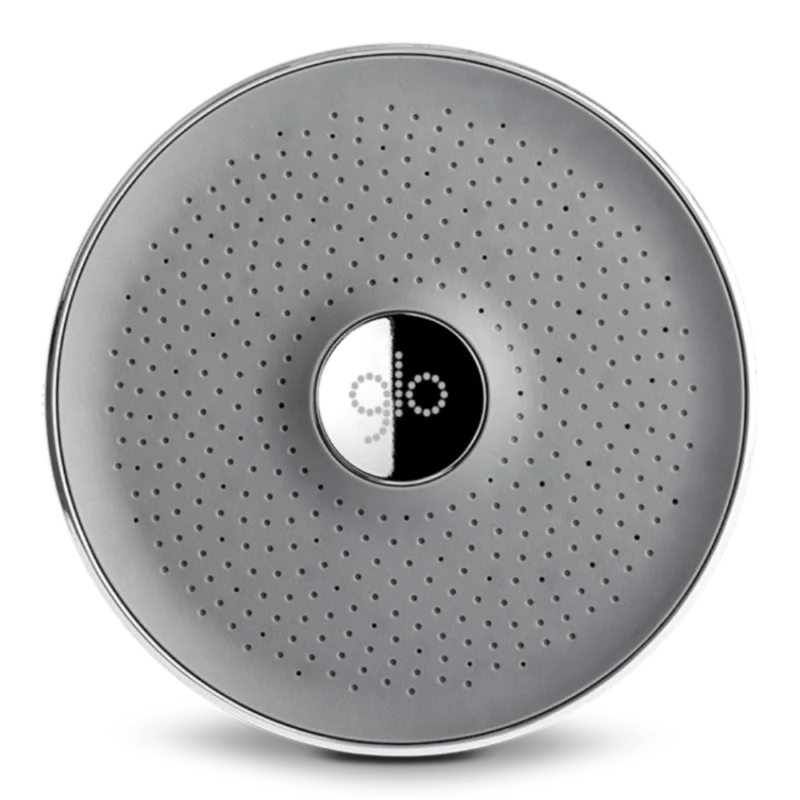
Refresh starts here. The GLO – Filtered Shower Head transforms ordinary water into pure clarity—removing impurities and softening every drop for radiant skin and luminous hair. One effortless switch turns your daily shower into a wellness ritual, leaving your body renewed and refreshed with every use.
Most municipal water supplies contain chlorine as a disinfectant. While chlorine kills harmful bacteria in water lines, it damages your skin and hair. A shower filter addresses this problem. The filter also removes sediment, rust particles, and chemical byproducts that accumulate in aging water infrastructure.
How Shower Filters Evolved
The concept of shower filtration emerged in the 1980s. Early models used basic activated carbon cartridges. These units reduced chlorine but offered limited protection against other contaminants.
By the 1990s, manufacturers introduced multi-stage filtration systems. These advanced units combined multiple media types. KDF (Kinetic Degradation Fluxion) media became popular. This copper-zinc alloy removes heavy metals through a redox chemical process.
Modern shower filters now incorporate up to 15 different filtration stages. Vitamin C filters appeared in the 2000s. These units neutralize chlorine and chloramine through a chemical reaction with ascorbic acid. Current designs also include calcium sulfite, activated carbon, ceramic balls, and mineral stones.
The Science Behind Water Filtration
Mechanical Filtration
Physical barriers trap particles larger than the filter’s pore size. Sediment and rust cannot pass through these barriers. The filter captures these particles in layers of mesh or fiber material.
Chemical Filtration
Active media creates chemical reactions that neutralize contaminants. Activated carbon uses adsorption to bind chlorine molecules. The porous carbon surface provides maximum contact area. Each gram of activated carbon offers between 500 and 3,000 square meters of surface area.
KDF media works through oxidation-reduction reactions. Chlorine converts to chloride. Heavy metals like lead, mercury, and iron bond to the media surface. The copper-zinc alloy also inhibits bacterial growth inside the filter housing.
Vitamin C (ascorbic acid) neutralizes both chlorine and chloramine. Municipal water treatment plants increasingly use chloramine because it remains stable longer than chlorine. Standard carbon filters struggle with chloramine. Vitamin C reacts instantly with both compounds.
Calcium sulfite performs best in hot water. The compound reduces chlorine by up to 99% even at high temperatures. Other filtration media lose effectiveness as water temperature rises.
Ion Exchange
Some advanced filters use ion exchange resins. These materials swap harmful ions for harmless ones. Hard water minerals like calcium and magnesium exchange for sodium ions. Heavy metal ions also bind to the resin beads.
Key Contaminants Shower Filters Remove
Chlorine
Municipal water contains 0.5 to 2.0 parts per million (ppm) of chlorine. This concentration effectively disinfects water but strips natural oils from skin and hair. Chlorine opens hair cuticles. This causes dryness, brittleness, and color fading. Skin becomes dry and irritated. People with eczema or psoriasis experience worsened symptoms.
Chloramine
Many water districts now use chloramine instead of chlorine. This compound combines chlorine with ammonia. Chloramine persists longer in water systems. It also penetrates skin more easily than chlorine. Standard carbon filters remove only 30-40% of chloramine. Vitamin C filters or catalytic carbon achieve 95%+ removal.
Heavy Metals
Old pipes leach metals into water supplies. Lead damages the nervous system and affects brain development. Mercury accumulates in body tissues. Arsenic increases cancer risk. Iron and copper stain fixtures and cause metallic tastes. Shower filters with KDF media remove 98% of these metals.
Volatile Organic Compounds (VOCs)
Industrial chemicals contaminate groundwater. Trihalomethanes (THMs) form when chlorine reacts with organic matter. These compounds become gaseous in hot shower water. You inhale more chloroform in a 10-minute hot shower than drinking eight glasses of the same water. Activated carbon traps VOCs before they vaporize.
Bacteria and Microorganisms
While municipal water undergoes treatment, bacteria can grow in home plumbing. Legionella thrives in warm water between 77-108°F. This bacterium causes Legionnaires’ disease. KDF media creates an environment hostile to bacterial growth. Some filters include silver-impregnated carbon for antimicrobial protection.
Hard Water Minerals
Calcium and magnesium create soap scum and mineral buildup. These minerals prevent soap from lathering properly. Hair feels sticky after washing. Skin appears dull. Water softening media or ion exchange resins reduce mineral content.
Hydrogen Sulfide
This compound creates a “rotten egg” smell. It occurs naturally in groundwater. Oxidizing filters convert hydrogen sulfide to sulfur particles. The filter then traps these particles.
Health Benefits of Filtered Shower Water
Skin Protection
Chlorine destroys the lipid barrier on your skin’s outer layer. This barrier prevents moisture loss and blocks irritants. Without protection, skin becomes dry and flaky. Conditions like eczema, psoriasis, and dermatitis worsen. Filtered water preserves natural oils. Skin maintains proper hydration. Inflammation decreases.
Hair Health
Chlorine and minerals damage the hair cuticle—the protective outer layer of each strand. Damaged cuticles create frizz and split ends. Color-treated hair fades faster. Filtered water keeps cuticles smooth. Hair retains moisture better. Natural shine returns. Blonde hair avoids green tints from copper oxidation.
Respiratory Benefits
Hot water vaporizes chlorine and VOCs. You inhale these chemicals during showers. Chlorine gas irritates lung tissue. People with asthma experience increased symptoms. Children face higher risks due to smaller lung capacity. Filtered water reduces airborne chemical exposure by up to 90%.
Immune System Support
Chlorine kills beneficial bacteria on skin. These microorganisms form your skin’s microbiome—a protective layer against pathogens. Disrupting this ecosystem weakens local immune function. Filtered water allows beneficial bacteria to flourish.
Eye Comfort
Chlorinated water irritates eyes and sinuses. Contact lens wearers experience particular discomfort. Red, burning eyes indicate chlorine exposure. Filtered water eliminates this irritation.
Types of Shower Filters
Inline Shower Filters
These units install between the shower arm and showerhead. The cylindrical housing contains filtration media. Water enters one end and exits filtered from the other. Installation requires no tools. You unscrew the existing showerhead, attach the filter, then reattach the showerhead.
Advantages:
- Easy installation
- Works with any showerhead
- Compact design
- Affordable ($20-60)
Disadvantages:
- Limited flow rate
- Shorter filter life (3-6 months)
- No pressure regulation
Shower Filter Heads
These combination units include both filter and showerhead. The filtration cartridge sits inside the showerhead housing. Some models feature transparent housings to monitor filter condition.
Advantages:
- Streamlined appearance
- No additional connections
- Often include multiple spray settings
- Good flow rates
Disadvantages:
- Must replace entire unit if showerhead breaks
- Higher upfront cost ($40-150)
- Limited showerhead style options
Wall-Mounted Shower Filters
These larger units mount on the shower wall. A hose connects the filter to a handheld showerhead. The bigger housing accommodates more filtration media. This design provides the longest filter life and highest capacity.
Advantages:
- Maximum filtration capacity
- Filter lasts 12-18 months
- Handles high water volumes
- Best contaminant removal
Disadvantages:
- Requires wall mounting
- More expensive ($80-200)
- Takes up shower space
- More complex installation
Filtration Media Comparison
| Media Type | Removes | Lifespan | Best For | Water Temp |
|---|---|---|---|---|
| Activated Carbon | Chlorine, VOCs, odors | 6-12 months | General filtration | Cold to warm |
| KDF-55 | Heavy metals, bacteria, chlorine | 12-18 months | Metal removal | All temps |
| Vitamin C | Chlorine, chloramine | 3-6 months | Chloramine removal | All temps |
| Calcium Sulfite | Chlorine | 6-12 months | Hot water use | Hot water |
| Ceramic Balls | Bacteria, sediment | 12+ months | Microbial control | All temps |
| Ion Exchange Resin | Hard water minerals | 3-6 months | Water softening | Cold to warm |
Performance Factors That Affect Filtration
Water Pressure
Filters create resistance in water flow. Standard home water pressure ranges from 40-80 PSI (pounds per square inch). Filters reduce pressure by 5-15 PSI. Low-pressure homes may experience weak flow after filter installation.
Multi-stage filters with dense media packing create more resistance. Vitamin C filters cause minimal pressure drop. KDF media in loose form maintains better flow than compressed cartridges.
Water Temperature
Hot water accelerates chemical reactions. Calcium sulfite performs best above 100°F. Activated carbon loses effectiveness above 90°F. KDF media works across all temperatures. Vitamin C maintains consistent performance regardless of temperature.
Contact Time
Water must remain in contact with filtration media long enough for reactions to occur. Flow rate affects contact time. High-pressure showers push water through filters faster. This reduces filtration effectiveness. Quality filters balance media density with flow requirements.
Water Chemistry
Your water source determines which contaminants need removal. City water contains chlorine or chloramine plus treatment chemicals. Well water may have high mineral content, bacteria, or sulfur. Test your water to identify specific contaminants. This information guides filter selection.
Filter Capacity
Manufacturers rate filters in gallons. A typical rating is 10,000-25,000 gallons. A standard showerhead flows at 2.5 gallons per minute. A 10-minute shower uses 25 gallons. At this rate, a 10,000-gallon filter lasts approximately 400 showers or 6-7 months for a family of four.
Installation Process
Tools Required
- Adjustable wrench or pliers
- Teflon tape (plumber’s tape)
- Towel or cloth
Step-by-Step Installation
Step 1: Turn off water supply to the shower. This step is optional but prevents water spray during installation.
Step 2: Remove the existing showerhead by turning it counterclockwise. Use a wrench if hand-tightening makes removal difficult. Protect chrome finishes by wrapping the wrench jaws with a cloth.
Step 3: Clean the shower arm threads. Remove old Teflon tape and mineral deposits. Wipe threads clean with a damp cloth.
Step 4: Apply Teflon tape to the shower arm threads. Wrap the tape clockwise 3-4 times. Press the tape firmly into the threads.
Step 5: Attach the filter to the shower arm. Turn clockwise by hand until tight. Do not overtighten. Use a wrench for a quarter-turn past hand-tight.
Step 6: Apply Teflon tape to the filter’s output threads.
Step 7: Attach your showerhead to the filter outlet. Hand-tighten first, then secure with a wrench.
Step 8: Turn on the water supply. Check all connections for leaks. Tighten connections slightly if drips occur.
Step 9: Run water for 2-3 minutes. This flushes carbon fines and primes the filter media. Water may appear cloudy or dark initially. This is normal.
Refresh starts here. The GLO – Filtered Shower Head transforms ordinary water into pure clarity—removing impurities and softening every drop for radiant skin and luminous hair. One effortless switch turns your daily shower into a wellness ritual, leaving your body renewed and refreshed with every use.
Maintenance Requirements
Regular Filter Replacement
Filter cartridges require periodic replacement. Exhausted media stops removing contaminants. Water quality deteriorates. Flow rate may decrease as media becomes clogged with trapped particles.
Replacement indicators:
- Decreased water pressure
- Return of chlorine smell
- Skin and hair problems reappear
- Manufacturer’s recommended timeline reached
Mark your calendar when you install a new filter. Set a reminder for the replacement date. Most filters need changing every 6 months.
Housing Cleaning
Mineral deposits and biofilm accumulate inside filter housings. Clean housings during cartridge replacement.
Cleaning steps:
- Remove the filter cartridge
- Rinse housing with warm water
- Scrub interior with a soft brush
- Soak in white vinegar for 30 minutes (removes mineral scale)
- Rinse thoroughly
- Dry completely before installing new cartridge
Filter Cartridge Examination
Inspect used cartridges when replacing them. Heavy sediment indicates pipes need cleaning. Excessive rust suggests corroding pipes. Green or blue deposits signal copper pipe corrosion. Orange or brown stains indicate iron. Black buildup suggests manganese or organic matter.
Cost Analysis
Initial Investment
- Basic inline filter: $20-40
- Mid-range filter head: $50-100
- Premium wall-mounted system: $100-200
- Professional installation (if needed): $75-150
Ongoing Costs
- Replacement cartridges: $15-50 each
- Annual filter costs (2 replacements): $30-100
- Water testing kit: $20-40 (one-time)
Cost Per Gallon
A $30 filter lasting 10,000 gallons costs $0.003 per gallon. A replacement cartridge costing $20 for 12,000 gallons costs $0.0017 per gallon. These costs prove significantly lower than bottled water at $0.80-1.50 per gallon.
Savings on Healthcare
Reduced skin irritation decreases spending on moisturizers and medications. Families save $100-300 annually on dermatology products. Fewer respiratory issues reduce doctor visits. Hair products last longer when hair stays healthier.
Selection Criteria for Your Home
Water Source Identification
City water contains chlorine or chloramine. Request a water quality report from your utility. These reports list all detected contaminants and their concentrations.
Well water requires professional testing. Test for bacteria, minerals, pH, and heavy metals. Local health departments often provide free or low-cost testing.
Household Size Consideration
Larger families need higher-capacity filters. Calculate daily shower water usage:
- Number of people × average shower length × 2.5 gallons per minute
A family of four taking 10-minute showers uses 100 gallons daily. This consumption requires a 15,000+ gallon filter for 6-month replacement intervals.
Water Pressure Evaluation
Test your home’s water pressure with a gauge. These devices cost $10-20 at hardware stores. Attach the gauge to an outdoor faucet. Pressure below 50 PSI means you need a low-resistance filter. Choose models with coarse filtration media or fewer stages.
Budget Constraints
Quality filters start at $30. Spending $50-80 provides better filtration and longer cartridge life. The cost difference between basic and premium models equals 2-3 replacement cartridges. Premium filters often prove more economical long-term.
Specific Concern Targeting
Match filter media to your water problems:
- Chlorine smell: Activated carbon or Vitamin C
- Dry skin/hair: KDF-55 or Vitamin C
- Hard water: Ion exchange or calcium reduction
- Metal taste: KDF-55
- Sulfur smell: Oxidizing filter
- Chloramine: Vitamin C or catalytic carbon
Aesthetic Preferences
Filter housings come in various finishes: chrome, brushed nickel, oil-rubbed bronze, and white plastic. Match your shower’s existing fixtures. Transparent housings let you monitor filter condition but may not suit all décor styles.
Common Problems and Solutions
Reduced Water Pressure
Cause: Clogged filter media or sediment buildup.
Solution: Replace the cartridge. If problems persist, install a sediment pre-filter before the shower filter. This protects the main filter from premature clogging.
Leaking Connections
Cause: Insufficient Teflon tape or cross-threaded connections.
Solution: Remove the leaking connection. Clean threads thoroughly. Apply fresh Teflon tape (4-5 wraps). Reattach carefully, ensuring straight threading.
Continued Chlorine Smell
Cause: Exhausted filter media or chloramine in water.
Solution: Replace cartridge early. If smell returns quickly, your water contains chloramine. Switch to a Vitamin C filter or catalytic carbon system.
No Improvement in Water Quality
Cause: Wrong filter type for your contaminants or defective cartridge.
Solution: Test water to identify specific contaminants. Verify filter specifications match your needs. Contact manufacturer if cartridge appears defective.
Filter Housing Cracks
Cause: Overtightening during installation or impact damage.
Solution: Replace housing immediately. Plastic housings crack more easily than metal. Choose brass or stainless steel housings for durability.
Advanced Filtration Options
Whole-House Systems
These units filter all water entering your home. Installation occurs at the main water line. Systems cost $500-3,000 plus professional installation. Benefits extend beyond showers to all faucets and appliances. This option suits homes with severely contaminated water.
UV Light Filters
Ultraviolet light kills bacteria and viruses without chemicals. UV units install after particle filters. The technology requires electricity. Systems cost $200-800. Well water with bacterial contamination benefits most from UV treatment.
Reverse Osmosis Integration
RO systems remove 95-99% of all contaminants. These systems work best for drinking water due to slow filtration rates. Whole-house RO proves impractical for shower use. The process wastes 3-4 gallons for every gallon produced.
Smart Filters
Connected filters track water usage. Mobile apps alert you when replacement time approaches. Sensors monitor flow rate and water quality. These premium systems cost $150-400. The technology remains new but shows promise for optimizing filter performance.
Environmental Impact
Reduced Chemical Exposure
Filtering chlorine prevents its release into the air. Municipal wastewater treatment plants receive less contaminated water. Ecosystems benefit when fewer chemicals enter water systems.
Plastic Waste Considerations
Disposable cartridges create waste. Each cartridge contains 1-2 pounds of material. A family generates 4-6 pounds of filter waste annually. Some manufacturers offer recycling programs. Mail-back options allow responsible disposal.
Reusable housings with replaceable media reduce waste. These systems use refillable cartridges. You replace only the internal media, not the entire housing.
Water Conservation
Filters do not waste water like RO systems. Every gallon filtered becomes usable. This efficiency matters in drought-prone regions. Maintaining good water pressure through proper filter sizing prevents excessive shower times.
Health Conditions That Benefit Most
Eczema and Psoriasis
These inflammatory skin conditions worsen with chlorine exposure. Filtered water reduces flare-ups by 40-60% according to dermatological studies. Patients use fewer prescription medications. Skin healing accelerates.
Asthma and COPD
Respiratory conditions improve with reduced chlorine inhalation. Patients report 30% fewer symptoms during shower season when using filters. Children with asthma miss fewer school days.
Sensitive Skin
People with reactive skin experience immediate relief. Redness and itching decrease within days. Acne improves as pores stay cleaner without chlorine residue.
Color-Treated Hair
Chlorine strips hair dye molecules. Filtered water extends color life by 4-6 weeks. Blondes avoid green tints. Red tones stay vibrant longer.
Compromised Immune Systems
Chemotherapy patients and immune-suppressed individuals face infection risks. Filtered water removes bacteria that healthy immune systems normally handle. This protection proves critical during treatment.
Testing Your Water Quality
Free Municipal Reports
Contact your water utility for annual water quality reports. These documents list contaminant levels. Compare reported values to EPA maximum contaminant levels (MCLs). High chlorine (above 1.5 ppm) indicates strong filtration needs.
Home Testing Kits
DIY kits cost $20-50. Strip tests provide basic information about chlorine, pH, hardness, and iron. Digital meters offer more accurate readings. Test both hot and cold water—composition can differ.
Professional Laboratory Analysis
Labs test for hundreds of contaminants. Full analysis costs $200-500. This option suits well water or homes with health concerns. Labs detect pesticides, industrial chemicals, and pharmaceuticals that home kits miss.
Key Indicators to Test
- Chlorine/Chloramine: Should be below 1.0 ppm for comfortable showering
- pH: Ideal range is 6.5-8.5
- Hardness: Above 7 grains per gallon indicates hard water
- Lead: Any detection requires immediate action
- Iron: Above 0.3 ppm causes staining
- Bacteria: Zero tolerance for coliform bacteria
Selecting the Right Filter for Your Needs
Step 1: Test your water to identify contaminants.
Step 2: Determine your budget for initial purchase and ongoing cartridge replacement.
Step 3: Calculate household water usage to size filter capacity appropriately.
Step 4: Match filter media to your specific water problems.
Step 5: Consider installation complexity—choose DIY-friendly options if avoiding plumber costs.
Step 6: Check filter certifications. NSF International certifies products to standards NSF/ANSI 177 (shower filters) and NSF/ANSI 42 (aesthetic effects).
Step 7: Read customer reviews focusing on longevity, effectiveness, and customer service.
Step 8: Verify replacement cartridge availability and cost before purchasing.
A shower filter transforms your daily bathing experience. The device removes harmful chemicals and contaminants that damage your skin, hair, and respiratory system. Installation takes 15 minutes. The investment costs less than premium shampoo. Your health improves immediately. Your hair gains shine and strength. Your skin retains natural moisture. These benefits continue for years with simple filter cartridge replacements every 6-12 months.
The right shower filter depends on your specific water quality issues. City dwellers need chlorine removal. Well water users require bacteria and mineral filtration. Everyone benefits from reduced chemical exposure during hot showers. Choose a filter rated for your household size. Maintain it properly. Enjoy cleaner, healthier water every day.
Refresh starts here. The GLO – Filtered Shower Head transforms ordinary water into pure clarity—removing impurities and softening every drop for radiant skin and luminous hair. One effortless switch turns your daily shower into a wellness ritual, leaving your body renewed and refreshed with every use.