
Water Softener Shower Head

What Hard Water Does to Your Shower Experience
Hard water contains high levels of dissolved calcium and magnesium. These minerals come from groundwater passing through limestone and chalk deposits. In the United States, roughly 85% of homes receive hard water.
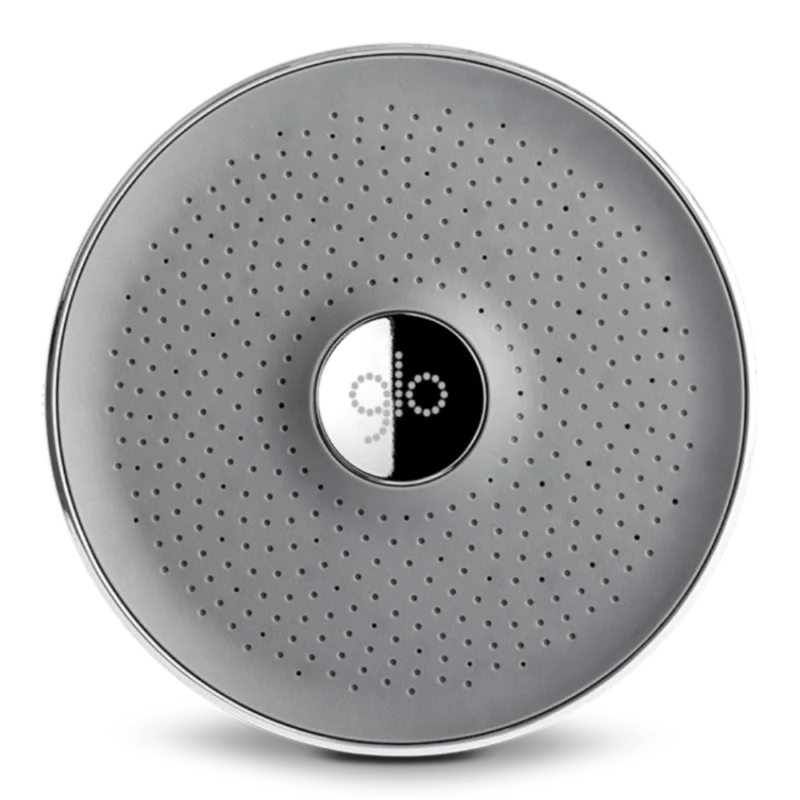
Refresh starts here. The GLO – Filtered Shower Head transforms ordinary water into pure clarity—removing impurities and softening every drop for radiant skin and luminous hair. One effortless switch turns your daily shower into a wellness ritual, leaving your body renewed and refreshed with every use.
The effects show up fast in the shower. Soap does not lather well in hard water. Skin feels dry and tight after rinsing. Hair looks dull and feels rough. White scale builds up on shower walls, fixtures, and shower heads. Over time, mineral deposits clog the spray nozzles and reduce water pressure.
A water softener shower head addresses these problems at the point of use. It treats water as it exits the shower head, before it hits your skin and hair. This is a practical and affordable solution compared to whole-house water softening systems.
A Brief History of Water Softening Technology
Water softening as a concept dates back to the early 1900s. Scientists discovered that ion exchange resins could swap calcium and magnesium ions for sodium or hydrogen ions. This produced softer water without calcium or magnesium content.
Whole-house ion exchange systems became common in American homes by the 1950s and 1960s. These systems require salt, regular maintenance, and a significant upfront cost.
Point-of-use filtration technology advanced in the 1980s and 1990s. Shower filters using KDF (Kinetic Degradation Fluxion) media emerged during this period. KDF uses a copper-zinc alloy to remove chlorine and reduce some heavy metals through a redox reaction.
By the 2000s, manufacturers combined multiple filter stages into single shower head units. Today’s water softener shower heads use layered media including KDF, vitamin C, calcium sulfite, activated carbon, and ion exchange beads. These multi-stage designs address hard water minerals, chlorine, chloramines, and sediment simultaneously.
How a Water Softener Shower Head Works
Different shower heads use different methods. Understanding each method helps you choose the right product.
Ion Exchange
Ion exchange resin beads swap calcium and magnesium ions for sodium or potassium ions. This is true softening. The resin becomes saturated over time and must be replaced or regenerated. Most shower heads with ion exchange resin require cartridge replacement every 10,000 to 15,000 liters or roughly every two to three months.
Chelation
Some shower heads use chelating agents like citric acid or EDTA. These bind to calcium and magnesium ions. The minerals remain in the water but lose their ability to form scale or interfere with soap lathering. This method does not remove minerals — it neutralizes their effects.
KDF Media
KDF-55 is the most common type used in shower filtration. It removes free chlorine through a redox reaction and reduces heavy metals like lead and mercury. KDF alone does not soften water but improves water quality. Many shower heads combine KDF with other softening media.
Vitamin C (Ascorbic Acid)
Vitamin C filters neutralize both chlorine and chloramines. Municipal water systems increasingly use chloramines because they are more stable than chlorine. Activated carbon, a traditional filter medium, does not remove chloramines effectively. Vitamin C does. Shower heads with vitamin C stages address this gap.
Multi-Stage Combinations
The most effective water softener shower heads stack these methods. A typical multi-stage head might use:
- Stage 1: Stainless steel mesh to catch sediment
- Stage 2: KDF-55 to remove chlorine and heavy metals
- Stage 3: Ion exchange resin or chelation beads for calcium and magnesium
- Stage 4: Activated carbon to improve taste and odor (relevant in steam environments)
- Stage 5: Vitamin C to neutralize chloramines
Technical Specifications to Compare
Before buying, compare these key specifications across models.
| Specification | What to Look For | Why It Matters |
|---|---|---|
| Filtration capacity | 10,000–15,000 liters per cartridge | Determines replacement frequency |
| Flow rate | 1.8–2.5 GPM | Affects water pressure and feel |
| Filter media | Multi-stage with ion exchange | More stages = broader coverage |
| Chloramine removal | Vitamin C or ascorbic acid stage | Standard carbon misses chloramines |
| Cartridge life | 2–3 months for average household | Affects long-term cost |
| Connection type | Standard ½-inch NPT | Fits most shower arms |
| Material | ABS plastic or stainless steel housing | Stainless lasts longer |
| Spray settings | 3–9 settings | Personal preference |
Flow rate is particularly important. Low-flow shower heads use 1.8 GPM or less. Standard shower heads use around 2.5 GPM. The filter cartridge adds some restriction. A good water softener shower head maintains at least 2.0 GPM while filtering.
Hardness reduction varies by product. Check manufacturer data for grains per gallon (GPG) reduction. Hard water typically measures 7–10 GPG. Very hard water exceeds 10 GPG. Choose a product rated for your actual water hardness.
Refresh starts here. The GLO – Filtered Shower Head transforms ordinary water into pure clarity—removing impurities and softening every drop for radiant skin and luminous hair. One effortless switch turns your daily shower into a wellness ritual, leaving your body renewed and refreshed with every use.
User Benefits Backed by Evidence
Skin and Hair Improvement
Hard water disrupts the skin’s natural pH. It leaves a mineral film that clogs pores and strips natural oils. Studies published in dermatology journals have found links between hard water exposure and increased eczema symptoms, particularly in children.
Soft water rinses soap completely from skin and hair. Hair becomes shinier and more manageable. Color-treated hair retains its tone longer because minerals do not interfere with dye molecules.
Scale Reduction
Calcium and magnesium stop depositing on shower surfaces when water is softened at the source. Shower walls stay cleaner. The shower head itself does not clog with mineral buildup. Cleaning time drops significantly.
Chlorine and Chemical Removal
Chlorine in shower water converts to chloroform gas in hot shower steam. Inhaling chloroform gas is a health concern with repeated long-term exposure. A vitamin C or KDF shower filter eliminates this issue by removing chlorine before it vaporizes.
Cost Comparison vs. Whole-House Systems
A whole-house water softener costs between $800 and $2,500 installed. It requires salt refills, maintenance, and occasionally a plumber.
A quality water softener shower head costs $25 to $80. Replacement cartridges cost $10 to $25 every two to three months. Annual operating cost runs $60 to $120. This makes shower head filtration accessible for renters and budget-conscious households.
Maintenance and Cartridge Replacement
How Often to Replace the Cartridge
Most manufacturers recommend replacement every two to three months for average households. A household with four people showering daily may need replacement closer to every six weeks.
Signs the cartridge needs replacement:
- Water pressure drops noticeably
- Skin and hair feel rough again after showering
- Scale reappears on shower walls
- Chlorine smell returns in the shower
Cleaning the Shower Head Housing
The housing and spray nozzles collect sediment over time. Soak the head in a white vinegar solution (equal parts water and vinegar) for 30 minutes. Use a soft brush to scrub the nozzles. Rinse thoroughly before reattaching.
Do not use bleach on shower head housings. Bleach degrades plastic components and can react with remaining filter media.
Storage and Seasonal Use
If you stop using the shower for an extended period, remove the cartridge. Dry it completely before storage. Moist cartridges grow bacteria and mold if left unused for weeks.
How to Choose the Right Water Softener Shower Head
Step 1: Test Your Water Hardness
Use a home water test kit or a test strip. These cost $5 to $15 and provide a GPG reading. This tells you how much softening capacity you need. Very hard water requires a product with ion exchange resin, not just a chlorine filter.
Step 2: Identify Your Biggest Water Quality Problem
If your water is hard but low in chlorine, prioritize ion exchange media. If your municipality uses chloramines, prioritize vitamin C filtration. If both are concerns, choose a multi-stage product that addresses each.
Step 3: Check Your Water Pressure
Homes with low water pressure (under 40 PSI) may struggle with filtered shower heads that add flow restriction. Look for products with a high flow rate and low pressure drop specifications.
Step 4: Match the Connection to Your Shower Arm
Most shower arms use a standard ½-inch NPT thread. Measure your shower arm or check the existing shower head packaging. Most water softener shower heads fit standard connections but verify before purchasing.
Step 5: Calculate the True Annual Cost
Divide the cartridge cost by its rated lifespan in months. Multiply by 12. Add this to the initial purchase price spread over three years. Compare this figure across models. A $30 shower head with $20 cartridges every six weeks costs more annually than a $70 head with $15 cartridges every three months.
Step 6: Read Third-Party Lab Data
Some manufacturers publish NSF/ANSI certification data or independent lab test results. These verify that the product removes what it claims to remove. Prioritize products with verifiable test data over marketing-only claims.
Installation in Four Steps
- Remove the existing shower head by turning it counterclockwise. Use a wrench if needed but protect the finish with a cloth.
- Clean the shower arm threads with a dry cloth. Remove any old plumber’s tape.
- Wrap new plumber’s tape clockwise around the shower arm threads. Use two to three wraps.
- Hand-tighten the new shower head onto the arm. Turn an additional quarter turn with a wrench. Do not overtighten plastic housings.
Run water for 30 seconds before your first use. This flushes any loose media particles from the new cartridge.
Summary: Choosing and Using a Water Softener Shower Head
A water softener shower head is a practical upgrade for any home receiving hard or chlorinated water. The right product uses multi-stage filtration including ion exchange resin for mineral reduction and vitamin C for chloramine removal. Choose a model rated for your water hardness level, check the true annual cartridge cost, and verify flow rate compatibility with your home’s water pressure. Replace cartridges on schedule and clean the housing regularly. With the right maintenance routine, a quality shower head delivers noticeably softer, cleaner water every day.
Refresh starts here. The GLO – Filtered Shower Head transforms ordinary water into pure clarity—removing impurities and softening every drop for radiant skin and luminous hair. One effortless switch turns your daily shower into a wellness ritual, leaving your body renewed and refreshed with every use.