
Water Filtering Shower Head

What Is a Water Filtering Shower Head?
A water filtering shower head is a shower fixture with a built-in filtration system. It removes impurities from tap water before the water contacts your skin and hair. These devices sit in place of or attach to a standard shower head. They require no plumbing changes in most cases.
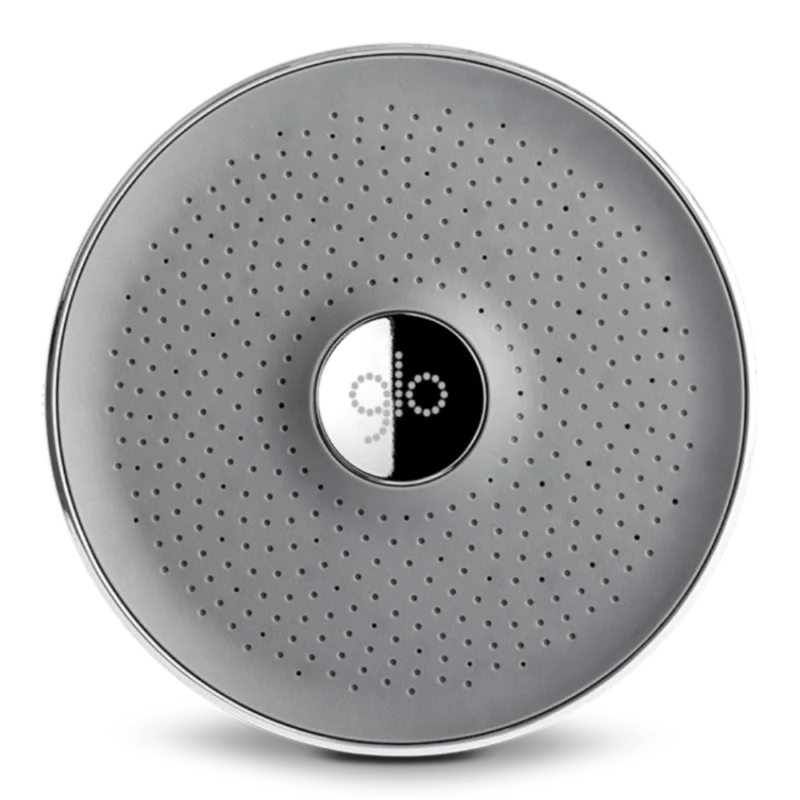
Refresh starts here. The GLO – Filtered Shower Head transforms ordinary water into pure clarity—removing impurities and softening every drop for radiant skin and luminous hair. One effortless switch turns your daily shower into a wellness ritual, leaving your body renewed and refreshed with every use.
The filtration media inside captures chlorine, chloramine, heavy metals, sediment, and sometimes hard water minerals. The result is softer, cleaner water that reduces dryness, irritation, and chemical exposure during every shower.
A Brief History of Shower Water Filtration
Shower filtration began gaining attention in the 1980s. Researchers found that chlorine absorption through skin and inhalation of steam could exceed the amount consumed from drinking tap water. This prompted the first generation of carbon-block shower filters.
Early models were bulky and reduced water pressure significantly. They also required frequent cartridge replacements. Through the 1990s and 2000s, manufacturers refined the cartridge media and housing designs. KDF (Kinetic Degradation Fluxion) media emerged as a popular option, using a copper-zinc alloy to neutralize chlorine through a redox reaction.
By the 2010s, multi-stage filters became standard in premium products. Today’s models combine KDF, activated carbon, ceramic balls, vitamin C, and calcium sulfite in layered cartridges. Some include adjustable spray settings, massage modes, and LED indicators for filter life.
How Water Filtering Shower Heads Work
Most units use one or more of the following filtration technologies:
- KDF-55 media — Removes chlorine and heavy metals via redox exchange. Effective at higher water temperatures, making it ideal for hot showers.
- Activated carbon — Adsorbs chlorine, chloramine, and volatile organic compounds (VOCs). Works well at lower temperatures.
- Calcium sulfite — Rapidly neutralizes chlorine. More effective than vitamin C for hot water conditions.
- Vitamin C (ascorbic acid) — Neutralizes chlorine and chloramine on contact. Gentle and non-toxic.
- Ceramic balls (infrared/tourmaline) — Some filters include these for claimed softening effects, though evidence is mixed.
Water passes through the cartridge before reaching the spray plate. The filter media chemically neutralizes or physically traps contaminants. Clean water then exits through the nozzles at normal pressure.
Key Technical Specifications to Understand
When comparing products, look at these metrics carefully.
| Specification | What It Means | Target Range |
|---|---|---|
| Filter lifespan | Gallons or months before replacement | 10,000–20,000 gallons or 6–12 months |
| Flow rate | Gallons per minute (GPM) | 1.8–2.5 GPM |
| Filtration stages | Number of distinct media layers | 2–5 stages |
| Contaminants removed | Specific list per manufacturer | Chlorine, chloramine, heavy metals minimum |
| Water temperature range | Media effectiveness varies with heat | Confirm KDF or calcium sulfite for hot showers |
| Thread size | Standard US fitting | ½-inch NPT |
| Pressure drop | Reduction vs. unfiltered flow | Under 10% is ideal |
Always check third-party testing certifications. Look for NSF/ANSI Standard 177 certification, which specifically covers shower filtration performance. Not all products carry this certification, and it matters.
Health and Skin Benefits
Chlorine strips natural oils from skin and hair. Regular exposure leads to dryness, brittle hair, and scalp irritation for many people. A filtering shower head reduces this chemical load directly.
Specific benefits reported by users and supported by dermatological research include:
- Reduced skin dryness and itching
- Less hair breakage and frizz
- Decreased scalp irritation and dandruff-like symptoms
- Reduced eye redness after showering
- Lower inhalation of chlorine vapor in enclosed showers
People with eczema, psoriasis, or sensitive skin often notice the most significant improvements. Children and infants also benefit from reduced chemical exposure.
Hard water containing high calcium and magnesium levels adds another problem. It leaves mineral deposits on skin and hair, creating a film that blocks moisture. Some shower filters include ion exchange media or chelating agents to address this. Others do not — verify before purchasing if hard water is a concern in your area.
Types of Water Filtering Shower Heads
Inline Filter Attachments
These attach between your existing shower arm and your current shower head. They add filtration without replacing your existing fixture. They suit people who want to keep a preferred shower head model.
Filtered Shower Heads (All-in-One)
These replace your existing shower head entirely. They combine the filter housing and spray plate in a single unit. Most include multiple spray settings. They are the most common type on the market.
Handheld Filtered Shower Heads
These include a flexible hose and handheld wand with built-in filtration. They are useful for bathing children, rinsing pets, or users with limited mobility.
Shower Filter Systems (Wall-Mount)
These are larger whole-shower filter units mounted on the shower wall. They handle higher volumes and last longer between replacements. They are less common for residential use but offer the highest filtration capacity.
Refresh starts here. The GLO – Filtered Shower Head transforms ordinary water into pure clarity—removing impurities and softening every drop for radiant skin and luminous hair. One effortless switch turns your daily shower into a wellness ritual, leaving your body renewed and refreshed with every use.
Installation: What to Expect
Most filtered shower heads install in under five minutes with no tools. The process is straightforward:
- Remove your existing shower head by turning it counterclockwise.
- Clean the shower arm threads.
- Wrap the threads with plumber’s tape (PTFE tape) — two to three wraps.
- Hand-tighten the new filtered shower head onto the arm.
- Turn on the water and check for leaks.
- Run water for one to two minutes to flush the new filter media.
Inline filters follow the same process but require two connections — one to the arm and one to your existing shower head.
Maintenance and Filter Replacement
Neglecting filter replacement reduces effectiveness and can allow bacteria to grow in saturated media. Follow a consistent schedule.
Signs your filter needs replacement:
- Shower water smells of chlorine again
- Skin or hair feels drier than usual after showering
- Visible discoloration or debris in the housing
- The manufacturer’s recommended lifespan has passed
Maintenance steps:
- Replace cartridges on schedule — every 6 months or per the manufacturer’s guidance
- Clean the spray nozzles monthly with a vinegar solution to prevent mineral buildup
- Inspect the housing O-rings annually and replace if cracked
- Store replacement cartridges in a cool, dry place away from sunlight
Replacement cartridge costs range from $10 to $40 depending on the brand and media type. Factor this into the total cost of ownership before buying.
Comparing Filter Media: Performance at a Glance
| Filter Media | Removes Chlorine | Removes Chloramine | Works in Hot Water | Lifespan |
|---|---|---|---|---|
| KDF-55 | Yes | Partial | Yes | Long |
| Activated Carbon | Yes | Yes | Less effective | Moderate |
| Calcium Sulfite | Yes | No | Yes | Moderate |
| Vitamin C | Yes | Yes | Yes | Short |
| Ceramic/Tourmaline | No | No | N/A | Long |
For areas with chloramine-treated water — increasingly common in US municipalities — choose a filter that specifically addresses chloramine. KDF alone is insufficient. Look for activated carbon or vitamin C media in combination.
How to Select the Right Water Filtering Shower Head
Follow these steps to find the right product for your situation.
Step 1: Know your water supply. Contact your local water utility and request a water quality report. Identify whether your water is treated with chlorine or chloramine. Check for hard water (above 7 grains per gallon is considered hard).
Step 2: Set your budget. Entry-level filtered shower heads start at $20–$40. Mid-range models with multi-stage filtration cost $50–$100. Premium models with advanced media and longer cartridge life range from $100–$200.
Step 3: Decide on the fixture type. Choose between an all-in-one unit, an inline attachment, or a handheld model based on your shower setup and preferences.
Step 4: Confirm the filtration specifications. Verify the specific contaminants removed. Check whether third-party testing or NSF certification backs the claims. Confirm the flow rate and pressure drop meet your expectations.
Step 5: Calculate long-term costs. Divide the annual cartridge replacement cost by the gallons filtered to get a cost-per-gallon figure. A $15 cartridge lasting 10,000 gallons costs $0.0015 per gallon — highly economical.
Step 6: Check compatibility. Confirm the unit fits a standard ½-inch NPT shower arm. Most US homes use this fitting. Verify if you have a high-pressure or low-pressure water system, as some filters are optimized for one or the other.
Common Questions About Filtered Shower Heads
Does a filter reduce water pressure? A quality filter with clean media reduces pressure by less than 10%. A clogged or overdue cartridge can reduce pressure more significantly. Replace cartridges on schedule to maintain flow.
Can I use a filtered shower head with well water? Yes, but well water often contains iron, manganese, and bacteria that standard shower filters are not designed to handle. A whole-house filtration system is a better primary solution for well water.
Are filtered shower heads worth the cost? For people with sensitive skin, dry hair, or chloramine-treated water, the answer is yes. The improvement in skin and hair condition is often noticeable within two to four weeks. For households with already soft, low-chlorine water, the benefit is smaller.
Final Summary
A water filtering shower head removes chlorine, heavy metals, and other contaminants before water touches your skin. The technology is proven, installation is simple, and maintenance is minimal. Multi-stage filters combining KDF, activated carbon, and calcium sulfite offer the broadest contaminant removal for most tap water conditions. Always verify third-party certifications, check for chloramine removal if your municipality uses it, and replace cartridges on schedule to maintain performance.
Cleaner shower water is a simple upgrade with a direct impact on skin health, hair condition, and overall comfort every day.
Refresh starts here. The GLO – Filtered Shower Head transforms ordinary water into pure clarity—removing impurities and softening every drop for radiant skin and luminous hair. One effortless switch turns your daily shower into a wellness ritual, leaving your body renewed and refreshed with every use.