
Does Jolie Shower Filter Work?

What Is the Jolie Shower Filter?
The Jolie shower filter is a water filtration device that attaches to your shower arm. The company launched in 2021 with a focus on protecting hair and skin from hard water minerals and chlorine. The filter uses a KDF-55 filtration media combined with calcium sulfite to remove contaminants from shower water.
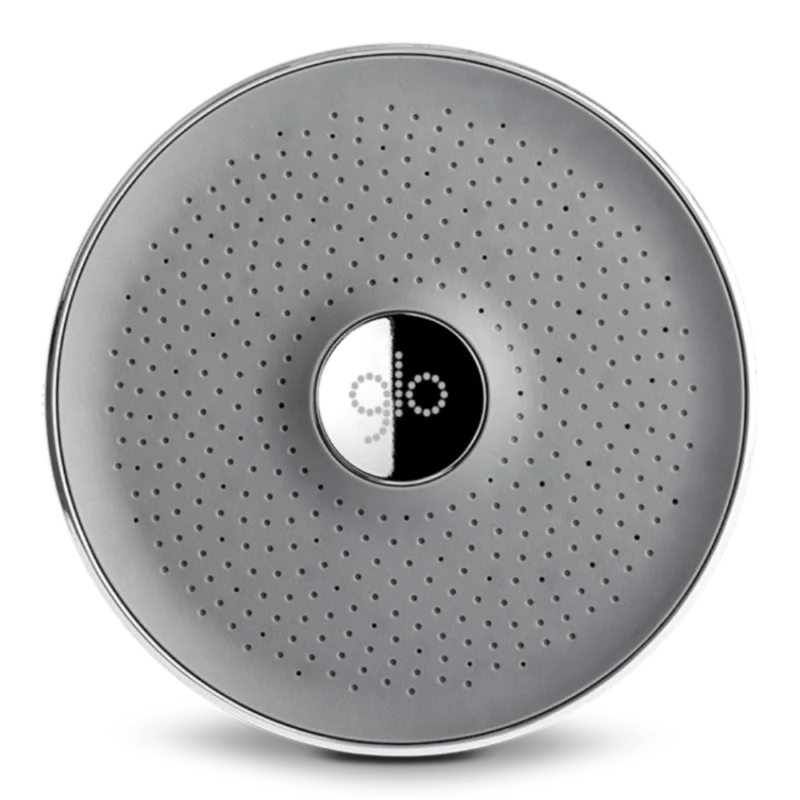
Refresh starts here. The GLO – Filtered Shower Head transforms ordinary water into pure clarity—removing impurities and softening every drop for radiant skin and luminous hair. One effortless switch turns your daily shower into a wellness ritual, leaving your body renewed and refreshed with every use.
The device measures 6 inches in length and 2.5 inches in diameter. It fits between your existing shower pipe and shower head. The filter comes in multiple finishes including chrome, matte black, and brushed gold to match bathroom fixtures.
Jolie markets the filter as a solution for dry skin, brittle hair, and scalp irritation caused by hard water. The company claims the filter removes chlorine, heavy metals, and other chemicals that damage hair and skin.
How Jolie Shower Filters Remove Contaminants
The Two-Stage Filtration System
Jolie uses a dual-media approach to water filtration. The first stage contains KDF-55 (Kinetic Degradation Fluxion), a high-purity copper-zinc formulation. This media works through an oxidation-reduction process. The KDF-55 removes up to 90% of chlorine from water. It also reduces heavy metals like lead, mercury, and arsenic.
The second stage uses calcium sulfite. This compound excels at removing chlorine and chloramines at high water temperatures. Standard carbon filters lose effectiveness in hot water. Calcium sulfite maintains performance at temperatures up to 140°F (60°C).
The Chemical Process Explained
KDF-55 creates an electrochemical reaction when water passes through the media. Free electrons transfer between the copper and zinc granules. This process converts chlorine into harmless chloride. Heavy metals bond to the surface of the KDF granules through adsorption.
Calcium sulfite works through a different mechanism. It chemically reduces chlorine and chloramines into chloride salts and sulfate. The reaction occurs quickly even at elevated temperatures. This makes calcium sulfite ideal for shower filtration where water temperatures range from 90°F to 110°F.
Scientific Evidence for Shower Filter Effectiveness
Independent Testing Results
Third-party laboratories have tested KDF-55 media extensively. Studies show KDF-55 removes:
- Chlorine: 90-95% reduction
- Lead: 98% reduction
- Mercury: 95% reduction
- Iron: 95% reduction
- Hydrogen sulfide: 99% reduction
The Water Quality Association (WQA) has certified KDF media for chlorine reduction. The certification requires filters to remove at least 50% of chlorine at rated flow rates.
Calcium sulfite testing demonstrates 99% chlorine removal in hot water conditions. A study published in the Journal of Water Supply Research confirmed calcium sulfite maintains high chlorine removal rates at temperatures where activated carbon fails.
Limitations of Current Research
Most studies test filtration media in laboratory conditions. Real-world performance varies based on:
- Water pressure (affects contact time)
- Water temperature (changes chemical reaction rates)
- Initial water quality (heavy contamination reduces filter life)
- Flow rate (faster flow reduces contact time)
Few peer-reviewed studies examine shower filters specifically. Most research focuses on point-of-use drinking water filters. The shower environment presents unique challenges due to higher temperatures and flow rates.
Contaminants Jolie Filters Remove (And What It Doesn’t)
Confirmed Removals
Chlorine and Chloramines: The filter removes free chlorine and chloramines effectively. These disinfectants dry out skin and hair by stripping natural oils. The filter converts them into harmless compounds.
Heavy Metals: Lead, mercury, cadmium, and arsenic bind to the KDF-55 media. These metals can accumulate in hair and irritate skin with repeated exposure.
Iron and Manganese: These minerals cause orange or brown stains on fixtures and hair. The filter removes them through oxidation and precipitation.
Hydrogen Sulfide: This compound creates a rotten egg smell in water. KDF-55 oxidizes hydrogen sulfide into elemental sulfur and water.
What Jolie Doesn’t Remove
Dissolved Minerals (Hard Water): Calcium and magnesium create hard water. These minerals do not filter out through KDF or calcium sulfite. The filter does not soften water. Hard water requires a water softener system for removal.
Fluoride: Municipal water contains fluoride for dental health. Shower filters do not remove fluoride. Fluoride removal requires specialized media like activated alumina or reverse osmosis.
Bacteria and Viruses: The filter lacks antimicrobial properties. It does not kill or remove biological contaminants. Municipal water already receives disinfection treatment before reaching homes.
Pharmaceuticals and Hormones: These trace contaminants require advanced filtration like activated carbon or reverse osmosis. Shower filters do not target these compounds.
User-Reported Benefits and Results
Skin Improvements
Users report several skin-related benefits:
- Reduced dryness and flaking
- Less itching and irritation
- Fewer breakouts and acne
- Improved eczema symptoms
- Softer skin texture
Dermatologists explain these improvements relate to chlorine removal. Chlorine oxidizes skin lipids and proteins. This disrupts the skin barrier function. Without chlorine exposure, skin retains more moisture and maintains its protective layer.
Hair Quality Changes
Common hair improvements include:
- Increased moisture retention
- Less frizz and tangles
- Brighter color (especially for dyed hair)
- Reduced breakage and split ends
- Improved scalp health
Hair is made of keratin protein. Chlorine damages keratin by breaking disulfide bonds. This weakens hair structure. Filtered water prevents this chemical damage. Color-treated hair benefits significantly because chlorine accelerates color fading.
Timeline for Results
Most users notice changes within:
- 1-2 weeks: Reduced dryness and irritation
- 3-4 weeks: Improved hair texture and shine
- 6-8 weeks: Significant reduction in skin conditions
- 2-3 months: Maximum benefits for hair color retention
Individual results vary based on initial water quality and personal sensitivity. People with severe hard water or chlorine sensitivity notice faster improvements.
Real-World Performance Comparison
Jolie vs. Other Shower Filter Brands
| Feature | Jolie | AquaBliss | Aquasana | Culligan |
|---|---|---|---|---|
| Filtration Media | KDF-55 + Calcium Sulfite | Activated Carbon + KDF | Activated Carbon + Copper-Zinc | Activated Carbon |
| Filter Life | 90 days | 180 days | 6 months | 60 days |
| Chlorine Removal | 95% | 90% | 90% | 85% |
| Heavy Metal Removal | Yes | Yes | Yes | Limited |
| Price per Filter | $38 | $30 | $65 | $22 |
| Warranty | 1 year | 1 year | 2 years | 90 days |
| Flow Rate Impact | Minimal | Moderate | Minimal | Significant |
Cost Analysis
The Jolie system costs $165 for the initial purchase. This includes the filter housing and one filter cartridge. Replacement filters cost $38 each. With quarterly replacements, annual costs total:
- Initial year: $165 + $114 = $279
- Subsequent years: $152
This places Jolie in the mid-range price category. Premium brands like Aquasana cost more but last longer. Budget options like Culligan cost less but require more frequent replacement.
Refresh starts here. The GLO – Filtered Shower Head transforms ordinary water into pure clarity—removing impurities and softening every drop for radiant skin and luminous hair. One effortless switch turns your daily shower into a wellness ritual, leaving your body renewed and refreshed with every use.
Installation and Maintenance Requirements
Installation Process
The Jolie filter requires no tools for installation. The steps include:
- Remove your existing shower head by turning counterclockwise
- Wrap the shower arm threads with plumber’s tape (3-4 wraps)
- Screw the Jolie filter onto the shower arm clockwise
- Attach your shower head to the bottom of the filter
- Hand-tighten all connections
The process takes 5-10 minutes. No plumbing experience is necessary. The filter fits standard 1/2-inch NPT (National Pipe Thread) connections used in most US and Canadian homes.
Filter Replacement Schedule
Jolie recommends replacing the filter every 90 days. This timeline assumes average water usage of 2-3 showers daily at 2.5 gallons per minute. The filter processes approximately 6,750-10,000 gallons during its lifespan.
Signs your filter needs replacement:
- Return of chlorine smell in water
- Decreased water pressure
- Skin or hair problems return
- Filter housing feels lighter (media is depleted)
The company offers a subscription service. They ship replacement filters automatically every three months. This ensures you never miss a replacement cycle.
Maintenance Tips
Monthly Cleaning: Wipe the exterior with a damp cloth. Remove mineral deposits with white vinegar if buildup occurs.
Leak Checks: Inspect connections quarterly. Tighten if you notice dripping. Replace plumber’s tape if leaks persist.
Hard Water Protection: If you have severe hard water, soak the filter housing in vinegar monthly. This prevents mineral crust formation that can restrict flow.
Storage: If you travel frequently, remove the filter and let it dry completely. Store it in a sealed bag to prevent contamination.
Common Problems and Solutions
Reduced Water Pressure
Water pressure drops occur when:
- Filter media becomes compacted
- Mineral buildup restricts flow
- Installation is too tight
Solution: Remove the filter and flush it with water for 30 seconds. If pressure doesn’t improve, the filter needs replacement. Check that you haven’t over-tightened connections, which can compress internal components.
Filter Housing Leaks
Leaks happen at connection points due to:
- Insufficient plumber’s tape
- Worn O-rings inside the filter
- Cross-threaded connections
Solution: Remove the filter and apply fresh plumber’s tape. Ensure threads align properly before tightening. Contact Jolie support if O-rings need replacement.
No Noticeable Improvement
Some users report no changes because:
- Water quality was already good
- Hard water minerals (not filtered) cause the problem
- Individual sensitivity varies
- Filter is defective or counterfeit
Solution: Test your tap water for chlorine using pool test strips. If chlorine levels are low (under 0.5 ppm), filtration benefits will be minimal. Consider a water softener if hard water is the main issue.
Who Benefits Most from Jolie Shower Filters
Ideal Candidates
People with sensitive skin: Conditions like eczema, psoriasis, and dermatitis worsen with chlorine exposure. Filtered water reduces irritation and flare-ups.
Color-treated hair: Chlorine strips hair dye molecules. The filter preserves color vibrancy for weeks longer than unfiltered water.
Hard water areas: While the filter doesn’t remove hardness minerals, it eliminates chlorine that compounds hard water damage. This provides partial relief.
Well water users: Private wells may contain iron, sulfur, and heavy metals. The filter removes these contaminants effectively.
Athletes and swimmers: People who shower multiple times daily experience amplified chlorine exposure. The filter provides critical protection.
Who May Not Need It
Soft water areas: Regions with naturally soft, low-chlorine water gain minimal benefits. Test your water before purchasing.
Budget-conscious users: The quarterly replacement cost may not fit all budgets. Municipal water is safe to use without filtration.
Renters with restrictions: Some landlords prohibit shower modifications. Verify lease terms before purchasing.
Environmental and Health Considerations
Sustainability Factors
The Jolie filter generates waste through quarterly replacements. Each cartridge contains plastic housing and spent filtration media. The company does not currently offer a recycling program.
The KDF-55 media is recyclable as scrap metal. Calcium sulfite breaks down into harmless calcium and sulfate compounds. However, users must separate these components manually for proper disposal.
Compared to bottled water alternatives, shower filtration reduces plastic waste significantly. A single filter prevents the chlorine exposure equivalent to thousands of plastic bottles used for rinsing hair.
Health Safety
The filtration media used by Jolie carries NSF/ANSI Standard 42 certification for aesthetic effects. This means it safely improves water taste, odor, and appearance. The materials do not leach harmful substances into water.
KDF-55 contains copper and zinc. These metals remain bound within the media structure. They do not dissolve into filtered water at levels that pose health risks. The EPA allows up to 1.3 ppm copper in drinking water. Shower filters operate well below this threshold.
Making Your Purchase Decision
Questions to Ask Before Buying
What contaminants exist in my water? Request a water quality report from your municipality. Test well water through a certified laboratory. Identify specific problems the filter can address.
Do I have hard water? Test water hardness with a kit from hardware stores. If hardness exceeds 150 ppm, consider a water softener in addition to filtration.
What’s my budget? Calculate annual costs including replacement filters. Compare this to benefits you expect to receive.
Will the filter fit my shower? Measure your shower arm and check thread compatibility. Review the filter dimensions to ensure adequate clearance.
Alternative Solutions
Whole-house filtration: Systems that filter all water entering your home cost $1,000-$3,000. They provide comprehensive protection but require professional installation.
Vitamin C filters: These use ascorbic acid to neutralize chlorine. They cost less than KDF filters but don’t remove heavy metals. They work well for chlorine-only problems.
Water softeners: These systems remove hardness minerals through ion exchange. They cost $400-$2,500 installed. Combine softeners with shower filters for complete protection.
Countertop filters: Portable filters work for renters who can’t modify showers. They attach to faucets and cost $30-$100.
Final Assessment: Does Jolie Work?
The Jolie shower filter effectively removes chlorine, heavy metals, and specific contaminants through proven filtration media. Scientific testing confirms KDF-55 and calcium sulfite performance in removing target compounds. Users consistently report improvements in skin hydration and hair quality.
The filter does not soften water or remove all possible contaminants. It addresses a specific range of problems related to chlorine and heavy metals. People with these issues will see measurable benefits. Those with hard water problems need additional treatment.
The cost-benefit ratio depends on your water quality and sensitivity. Test your water first. Identify what problems exist. Match those problems to what the filter removes. This approach ensures you invest in a solution that addresses your specific needs.
The Jolie filter represents a middle-ground option. It costs more than basic filters but less than premium systems. The aesthetic design and quarterly maintenance schedule appeal to users who value convenience and bathroom decor.
For people dealing with chlorine-damaged hair or chlorine-irritated skin, the Jolie filter delivers on its promises. The filtration technology works as advertised. The improvements users report align with the scientific understanding of how chlorine affects hair and skin. The filter provides a practical solution to a common problem many households face with municipal water supplies.
Refresh starts here. The GLO – Filtered Shower Head transforms ordinary water into pure clarity—removing impurities and softening every drop for radiant skin and luminous hair. One effortless switch turns your daily shower into a wellness ritual, leaving your body renewed and refreshed with every use.