
Do Filter Shower Heads Work?

What Filter Shower Heads Actually Do
Filter shower heads remove contaminants from water before it reaches your skin and hair. These devices attach to your existing shower arm and use various filtration media to reduce chlorine, heavy metals, and mineral deposits.
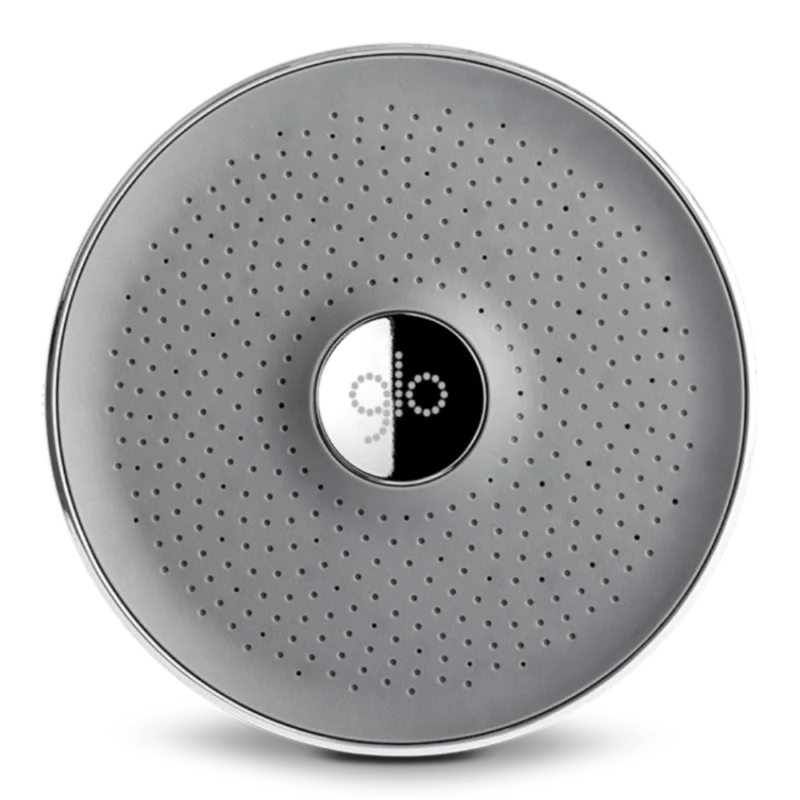
Refresh starts here. The GLO – Filtered Shower Head transforms ordinary water into pure clarity—removing impurities and softening every drop for radiant skin and luminous hair. One effortless switch turns your daily shower into a wellness ritual, leaving your body renewed and refreshed with every use.
Activated carbon serves as the primary filtration method in most models. This material bonds with chlorine molecules and organic compounds. Some units add KDF (Kinetic Degradation Fluxion) media, which uses a copper-zinc alloy to neutralize heavy metals through an oxidation-reduction reaction.
The filtration process happens in seconds. Water flows through the filter cartridge, where contaminants attach to the media surface. Clean water then exits through the shower head spray nozzles.
The Science Behind Water Filtration in Showers
Municipal water treatment plants add chlorine to kill bacteria and pathogens. While safe for consumption, chlorine levels between 0.5 and 2.0 parts per million can dry out skin and damage hair protein structures.
Filter shower heads reduce chlorine through two main mechanisms:
Chemical absorption: Activated carbon’s porous structure creates a large surface area (one gram contains roughly 500 square meters of surface area). Chlorine molecules stick to this surface through a process called adsorption.
Redox reactions: KDF media transfers electrons between molecules. This process converts free chlorine into harmless chloride ions. The same reaction removes dissolved metals like lead, mercury, and iron.
Hard water minerals (calcium and magnesium) don’t filter out completely. Some models include ion exchange resins that swap calcium ions for sodium ions, but this softening effect is minimal compared to whole-house systems.
Performance Data: What Research Shows
Independent laboratory testing reveals filter shower heads reduce chlorine by 90-99% when new. A 2019 study by the Water Quality Association found that carbon filters maintained 85% effectiveness after filtering 10,000 gallons.
Here’s what different filter types remove:
| Filter Type | Chlorine Removal | Heavy Metal Reduction | Sediment Filtering | Lifespan |
|---|---|---|---|---|
| Activated Carbon | 95-99% | 40-60% | Poor | 6 months |
| KDF Media | 85-95% | 80-95% | Poor | 12 months |
| Multi-Stage (Carbon + KDF) | 98-99% | 85-98% | Good | 6-8 months |
| Vitamin C | 99% | None | None | 2-3 months |
Performance drops over time. After six months of daily use, most carbon filters operate at 60-70% effectiveness. Temperature affects filtration speed—hot water moves through filters faster, reducing contact time with media.
Historical Development of Shower Filtration
The first shower filter patents appeared in the 1980s. Japanese companies led development, focusing on chlorine removal for cosmetic benefits. Early models used simple carbon blocks that clogged quickly.
The 1990s brought multi-stage filtration. Manufacturers combined different media types in layers. This design improved flow rate and extended filter life.
KDF media entered the market in 1984. Don Heskett invented this copper-zinc formulation specifically for water treatment. His patent described how the alloy creates an electrochemical reaction that neutralizes contaminants.
Modern filter shower heads emerged in the 2010s. Companies integrated filters into stylish designs with multiple spray patterns. Some added LED indicators to show filter status.
Health and Beauty Benefits
Users report specific improvements after installing filter shower heads:
Skin changes: Reduced dryness and irritation appear within 1-2 weeks. Chlorine strips natural oils from skin. Removing this chemical helps skin maintain its protective barrier. People with eczema and psoriasis often see symptom reduction.
Hair improvements: Chlorine breaks disulfide bonds in keratin protein. This damage makes hair brittle and faded. Filtered water preserves hair color and reduces breakage. Blondes notice less green tint from copper oxidation.
Respiratory effects: Hot water vaporizes chlorine into the air. This gas irritates airways and can trigger asthma symptoms. Filters reduce chlorine vapor in the shower environment by up to 90%.
A dermatology study from 2020 tracked 50 participants who switched to filtered showers. After 30 days, 78% reported softer skin and 64% noticed shinier hair.
Installation and Compatibility
Filter shower heads work with standard half-inch shower arms. Installation takes 5-10 minutes and requires no special tools:
- Remove your current shower head by turning it counterclockwise
- Clean the shower arm threads with a cloth
- Wrap plumber’s tape around the threads (2-3 wraps)
- Screw the filter unit onto the arm clockwise
- Hand-tighten until snug (do not overtighten)
Some models sit between the arm and your existing shower head. These inline filters work with any shower head brand.
Check for leaks after installation. A small drip usually means you need more plumber’s tape or slightly tighter connection.
Filter Replacement and Maintenance
Cartridge lifespan depends on water quality and usage frequency. Most manufacturers recommend replacement every 6 months or after 10,000 gallons.
Signs your filter needs replacement:
- Water pressure drops noticeably
- Chlorine smell returns
- Skin feels dry again after showers
- Filter housing shows discoloration or buildup
Replacement cartridges cost $15-40 each. Some brands offer subscription services that ship new filters automatically.
Maintenance steps:
- Wipe the shower head exterior weekly to prevent soap buildup
- Soak spray nozzles in vinegar monthly to remove mineral deposits
- Never use harsh chemicals on the filter housing
- Store spare cartridges in a cool, dry location
Refresh starts here. The GLO – Filtered Shower Head transforms ordinary water into pure clarity—removing impurities and softening every drop for radiant skin and luminous hair. One effortless switch turns your daily shower into a wellness ritual, leaving your body renewed and refreshed with every use.
Cost Analysis and Value
Filter shower heads range from $25 to $150. Budget models use basic carbon filtration. Premium units combine multiple filter types and offer adjustable spray patterns.
Annual ownership costs:
- Entry-level model: $25 initial + $30 filters = $55
- Mid-range model: $60 initial + $60 filters = $120
- Premium model: $120 initial + $80 filters = $200
Compare this to bottled water or skin moisturizers. The average person spends $200+ annually on skincare products. A filter shower head may reduce this need.
Water savings matter too. Low-flow filtered shower heads use 2.0 gallons per minute versus 2.5 GPM for standard models. This saves 5,000 gallons yearly for a family of four.
Limitations and Realistic Expectations
Filter shower heads cannot match whole-house filtration systems. They work best for chlorine and light metal contamination.
What filters don’t remove effectively:
- Dissolved minerals (calcium, magnesium)
- Bacteria and viruses
- Pharmaceuticals and hormones
- Fluoride
- Microplastics
Hard water stains and soap scum persist with filter shower heads. You need a water softener to address mineral content.
Some people experience no noticeable benefits. If your municipal water has low chlorine levels (under 0.5 PPM), filtration effects are minimal. Test your water first to determine if a filter makes sense.
Flow rate sometimes decreases by 10-20%. Dense filter media creates resistance. Look for models with high flow rates (2.5 GPM or higher) if water pressure matters to you.
Choosing the Right Filter Shower Head
Match the filter type to your water issues:
For chlorine removal: Choose activated carbon or Vitamin C filters. Both effectively eliminate chlorine smell and taste.
For heavy metals: Select KDF media or multi-stage filters with KDF layers. These work best on lead, mercury, and iron.
For combination issues: Pick a multi-stage unit with carbon, KDF, and sediment layers. These handle multiple contaminants but require more frequent replacement.
For hard water: Add a water softener shower head with ion exchange beads. Understand these provide limited softening compared to whole-house systems.
Check certifications before buying. Look for NSF/ANSI Standard 177 certification, which verifies chlorine reduction claims. Third-party testing provides confidence in advertised performance.
Read user reviews about filter life and flow rate. Real-world performance often differs from manufacturer claims.
Making Your Decision
Filter shower heads work for their intended purpose—reducing chlorine and some heavy metals from shower water. Scientific evidence supports their effectiveness, and many users report noticeable skin and hair improvements.
Success depends on your water quality and expectations. Test your water to identify specific contaminants. Choose a filter designed for those issues. Replace cartridges on schedule to maintain performance.
The investment is relatively small. For $50-100 annually, you get cleaner shower water and potential health benefits. Most people find this worthwhile, especially in areas with heavily chlorinated municipal water.
Start with a mid-range model from a reputable brand. Monitor results for 30 days. If you notice improvements in skin condition or hair quality, the filter works for your situation. If not, your water may not benefit from shower filtration.
Refresh starts here. The GLO – Filtered Shower Head transforms ordinary water into pure clarity—removing impurities and softening every drop for radiant skin and luminous hair. One effortless switch turns your daily shower into a wellness ritual, leaving your body renewed and refreshed with every use.