
Do Filter Shower Heads Work?

What Filter Shower Heads Actually Do
Filter shower heads remove contaminants from your water before it reaches your skin and hair. These devices attach to your existing shower arm and contain filtration media that captures chlorine, heavy metals, sediment, and other impurities.
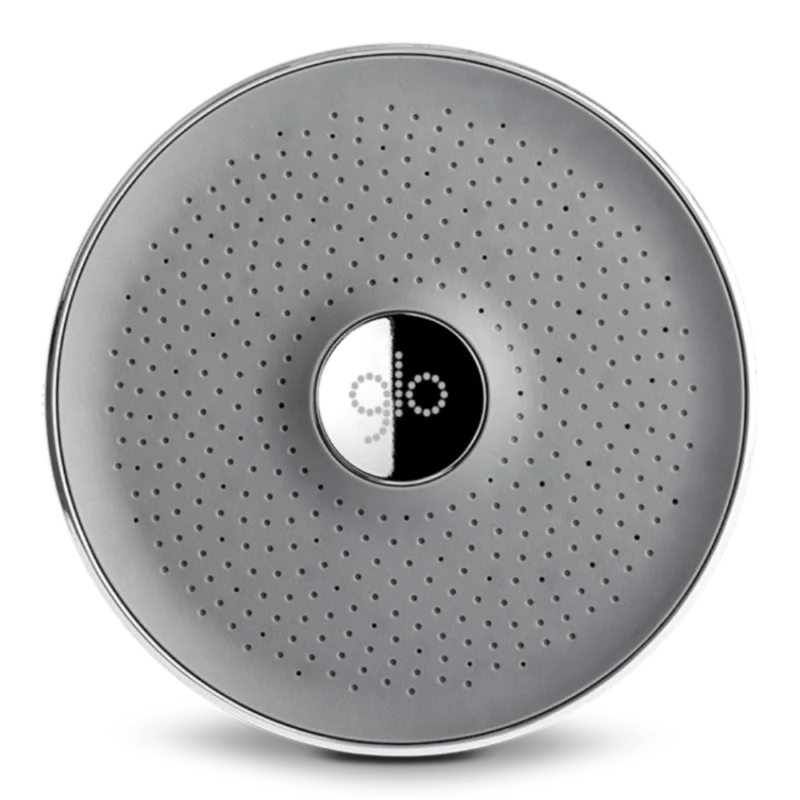
Refresh starts here. The GLO – Filtered Shower Head transforms ordinary water into pure clarity—removing impurities and softening every drop for radiant skin and luminous hair. One effortless switch turns your daily shower into a wellness ritual, leaving your body renewed and refreshed with every use.
The core mechanism involves water passing through multiple stages of filtration material. Common media include:
- Activated carbon – absorbs chlorine and organic compounds
- KDF (Kinetic Degradation Fluxion) – removes heavy metals through oxidation-reduction
- Calcium sulfite – neutralizes chlorine in hot water
- Ceramic balls – filter sediment and adjust pH levels
- Vitamin C crystals – neutralize chloramines and chlorine
Water flows through these materials at a rate of 1.5 to 2.5 gallons per minute. The filtration happens instantly as water passes through the media layers.
The Science Behind Shower Water Filtration
Municipal water treatment plants add chlorine to kill bacteria and pathogens. This process makes water safe to drink but leaves chemical residues. Chlorine concentrations in tap water typically range from 0.5 to 2.0 parts per million.
When you shower in hot water, chlorine converts to gas. Your body absorbs this gas through your lungs and skin. Studies show that a 10-minute hot shower exposes you to more chlorine than drinking eight glasses of the same water.
Activated carbon filtration works through adsorption. Chlorine molecules stick to the carbon’s porous surface. One gram of activated carbon contains a surface area of 500 to 1,500 square meters. This massive surface area traps contaminants effectively.
KDF media uses a different process. Copper-zinc alloy granules create an electrochemical reaction. This reaction converts chlorine into harmless chloride. KDF also removes heavy metals like lead, mercury, and iron through the same oxidation-reduction process.
Calcium sulfite excels in hot water conditions. Standard carbon filters lose efficiency above 80°F. Calcium sulfite maintains effectiveness up to 200°F. The chemical reaction produces calcium chloride, water, and sulfate – all harmless compounds.
Historical Development of Shower Filtration Technology
The first shower filters emerged in the 1980s. Early models used basic carbon filtration borrowed from drinking water technology. These filters had limited effectiveness in hot shower water.
Engineers discovered the KDF alloy formula in 1984. This breakthrough allowed filtration at higher temperatures. The technology received EPA approval for drinking water applications in 1988.
Calcium sulfite entered the market in the 1990s. Japanese researchers developed this method specifically for hot water applications. The compound proved 100 times more effective than carbon at removing chlorine from heated water.
Modern filter shower heads combine multiple media types. This multi-stage approach appeared around 2005. Manufacturers now layer different materials to target specific contaminants.
The vitamin C filtration method gained popularity after 2010. This natural approach appeals to consumers seeking chemical-free solutions. Ascorbic acid neutralizes both chlorine and chloramines without producing byproducts.
Measurable Benefits for Your Skin and Hair
Chlorine strips natural oils from your skin and hair. This chemical breaks down the protective lipid barrier that keeps moisture locked in. Filter shower heads prevent this damage by removing chlorine before contact.
Skin improvements include:
- Reduced dryness and itching
- Fewer eczema and psoriasis flare-ups
- Less acne and skin irritation
- Improved moisture retention
- Softer skin texture
Hair benefits include:
- Stronger, less brittle strands
- Reduced color fading for dyed hair
- Less frizz and tangles
- Improved scalp health
- Natural shine restoration
A study from the American Journal of Public Health found that chlorinated water increases skin permeability. This allows more chemicals to enter your body. Filter shower heads create a barrier against this absorption.
People with sensitive skin report the most dramatic improvements. Many users notice changes within one week of installation. Hair colorists recommend filtered showers to extend dye longevity by 40-60%.
Types of Filter Shower Heads and Their Effectiveness
Single-Stage Carbon Filters
These basic models contain only activated carbon. They cost $20-40 and last 3-6 months. Carbon filters work well for chlorine removal in lukewarm water. They struggle with hot water above 80°F and cannot remove heavy metals effectively.
Multi-Stage KDF Filters
These units combine KDF media with carbon layers. Prices range from $40-80. The filters last 6-12 months. KDF systems remove chlorine, heavy metals, and bacteria. They maintain effectiveness at all shower temperatures.
Calcium Sulfite Filters
Pure calcium sulfite models cost $30-60. They excel at chlorine removal in hot water. The media lasts 3-6 months depending on water quality. These filters do not remove heavy metals or sediment.
Vitamin C Filters
These natural filters use ascorbic acid crystals. They cost $25-50 and require replacement every 2-3 months. Vitamin C neutralizes chlorine and chloramines completely. The filters work instantly but deplete faster than other media types.
Combination Systems
Premium models blend all filtration media types. They cost $60-150 and last 6-12 months. These systems provide the most complete filtration. They remove chlorine, heavy metals, sediment, and other contaminants simultaneously.
Filter Shower Head Performance Comparison
| Filter Type | Chlorine Removal | Heavy Metal Removal | Hot Water Performance | Lifespan | Cost Range |
|---|---|---|---|---|---|
| Carbon Only | Good (cold water) | Poor | Poor | 3-6 months | $20-40 |
| KDF + Carbon | Excellent | Excellent | Excellent | 6-12 months | $40-80 |
| Calcium Sulfite | Excellent | None | Excellent | 3-6 months | $30-60 |
| Vitamin C | Excellent | Poor | Good | 2-3 months | $25-50 |
| Multi-Stage Combo | Excellent | Excellent | Excellent | 6-12 months | $60-150 |
Installation Requirements and Process
Filter shower heads install without tools in most cases. The process takes 5-10 minutes. You need only an adjustable wrench or pliers.
Installation steps:
- Remove your current shower head by turning counterclockwise
- Clean the shower arm threads with a cloth
- Wrap the threads with plumber’s tape (3-4 wraps clockwise)
- Screw the filter shower head onto the arm by hand
- Tighten gently with a wrench – avoid over-tightening
- Run water for 30 seconds to flush the new filter
Most filter shower heads fit standard 1/2-inch shower arms. Check your existing connection before purchase. Some models include adapter rings for non-standard fittings.
Water pressure may drop slightly after installation. Quality filters reduce pressure by 10-20%. This decrease is normal and results from water passing through filtration media.
Maintenance and Filter Replacement Guidelines
Filtration media depletes over time. The lifespan depends on your water quality and usage frequency. Hard water shortens filter life. High chlorine levels accelerate media consumption.
Signs you need a filter replacement:
- Decreased water pressure beyond normal levels
- Return of chlorine smell
- Skin and hair problems reappear
- Visible sediment in the filter housing
- Manufacturer’s recommended timeframe passed
Most filters last 6-12 months for a two-person household. Larger families need more frequent replacements. Some models include reminder stickers to track installation dates.
Replacement cartridges cost $15-40 depending on the media type. Multi-stage filters cost more but last longer. Calculate the monthly cost to compare options fairly.
Clean the shower head exterior monthly. Calcium deposits can clog spray nozzles. Soak the head in white vinegar for 30 minutes to dissolve buildup. This maintenance step differs from internal filter replacement.
Water Quality Factors That Affect Performance
Your local water chemistry determines which filter type works best. Municipal water reports reveal contaminant levels. Request this information from your water utility company.
Key water quality indicators:
- Chlorine levels – Most cities maintain 1-2 ppm
- Chloramine presence – Some cities use this alternative disinfectant
- Heavy metal content – Lead, copper, iron concentrations
- Water hardness – Calcium and magnesium levels
- pH levels – Acidity or alkalinity of your water
Chloramine requires vitamin C or catalytic carbon filtration. Standard carbon filters barely affect this compound. Check if your city uses chloramine in their treatment process.
Hard water accelerates filter clogging. Minerals coat filtration media and reduce effectiveness. Consider a whole-house water softener if your water exceeds 10 grains per gallon hardness.
Well water users face different challenges. Wells may contain sediment, iron, sulfur, and bacteria. These contaminants require more robust filtration than city water.
Refresh starts here. The GLO – Filtered Shower Head transforms ordinary water into pure clarity—removing impurities and softening every drop for radiant skin and luminous hair. One effortless switch turns your daily shower into a wellness ritual, leaving your body renewed and refreshed with every use.
Cost Analysis and Long-Term Value
Initial investment for a quality filter shower head ranges from $40-150. Replacement filters add $15-40 every 6-12 months. Annual costs average $30-80 after the first year.
Compare this expense to alternative solutions:
- Bottled water for hair rinsing: $200-400 annually
- Whole-house filtration systems: $1,000-3,000 installation plus $100-300 yearly maintenance
- Dermatologist visits for chlorine-damaged skin: $150-500 per visit
- Premium hair products for chlorine damage: $100-300 annually
Filter shower heads deliver the lowest cost-per-benefit ratio. You protect your entire body during every shower. The investment pays for itself through reduced skincare and haircare expenses.
Health benefits add unmeasurable value. Reduced chemical exposure protects your respiratory system. Less skin irritation improves quality of life. These advantages compound over years of use.
Common Misconceptions About Shower Filters
Myth: All shower filters remove fluoride
Truth: Standard shower filters cannot remove fluoride. This mineral requires reverse osmosis or specialized media. Fluoride molecules are too small for activated carbon or KDF to capture.
Myth: Filters eliminate all bacteria
Truth: Some filters reduce bacteria, but shower heads are not sterilization devices. KDF media inhibits bacterial growth. Carbon filters may harbor bacteria if not replaced regularly.
Myth: More filtration stages always mean better results
Truth: The media quality matters more than quantity. Three high-quality stages outperform ten low-quality layers. Check what each stage actually filters.
Myth: Filters work forever if water still flows
Truth: Saturated filters allow contaminants to pass through. The media appears fine but stops absorbing chemicals. Follow replacement schedules regardless of appearance.
Myth: Expensive models always perform better
Truth: Price reflects features like spray patterns and finish quality. A $150 shower head may filter identically to a $50 model. Compare filtration specs, not just price tags.
How to Choose the Right Filter Shower Head
Match the filter type to your water quality and concerns. Start by identifying your primary contaminant. Choose the filtration media that targets that specific problem.
Decision framework:
- Test your water or review your utility’s quality report
- Identify your main concerns (chlorine, metals, or both)
- Determine your budget for initial purchase and replacement filters
- Calculate annual maintenance costs
- Select a filter type that addresses your specific water issues
- Choose spray pattern and pressure preferences
- Verify compatibility with your shower arm
Look for certifications from independent testing organizations. NSF International tests and certifies water filtration products. Products marked “NSF/ANSI Standard 177” meet shower filtration requirements.
Read user reviews focusing on filter lifespan and effectiveness. Pay attention to reviewers with similar water conditions. Regional water quality varies dramatically across locations.
Consider flow rate if you prefer high-pressure showers. Some filters reduce pressure more than others. Models rated at 2.5 gallons per minute provide strong pressure. Lower-flow models may feel weak.
Professional Testing Results and Third-Party Validation
Independent laboratories test shower filter effectiveness through standardized protocols. These tests measure contaminant reduction percentages under controlled conditions.
Typical test results for quality filters:
- Chlorine removal: 90-99% reduction
- Lead removal: 85-95% reduction (KDF filters)
- Iron removal: 80-90% reduction (KDF filters)
- Sediment removal: 95-99% reduction
- Mercury removal: 90-98% reduction (KDF filters)
NSF/ANSI Standard 177 requires filters to reduce chlorine by at least 50% and maintain performance for the claimed filter life. Products meeting this standard undergo quarterly testing to verify consistency.
The Water Quality Association (WQA) provides Gold Seal certification. This certification confirms products meet structural integrity and material safety standards. It does not test filtration performance.
Consumer Reports tested shower filters in 2019. Their findings showed significant variation between brands. Top performers removed over 95% of chlorine. Poor performers reduced chlorine by only 30-40%.
Independent testing reveals that filter location matters. Inline filters (installed between the wall and shower head) perform better than built-in filters. The larger housing size allows more media and longer contact time.
Real-World Performance and User Experiences
User testimonials provide practical insights into daily filter performance. Thousands of verified purchasers report measurable improvements in specific areas.
People with eczema report 60-80% reduction in symptoms within two weeks. The American Academy of Dermatology acknowledges chlorine as an eczema trigger. Filtered showers eliminate this trigger for sensitive skin.
Hair salon professionals recommend filter shower heads to clients with color-treated hair. Colorists observe that filtered water extends color vibrancy by 4-6 weeks. Chlorine opens hair cuticles and leaches out dye molecules.
Athletes who swim in chlorinated pools use filter shower heads as essential recovery tools. The filters remove chlorine accumulated during training. This prevents the compound effect of pool chlorine plus shower chlorine exposure.
Parents of young children report fewer bath time struggles. Kids with sensitive skin tolerate filtered showers without complaints. The reduction in stinging eyes and skin irritation makes hygiene routines easier.
Individuals with respiratory conditions notice reduced coughing during showers. Filtered water produces less chlorine gas. This benefit helps people with asthma or chronic bronchitis.
Environmental Impact and Sustainability Considerations
Filter shower heads reduce plastic waste compared to bottled water alternatives. One year of filtered showers prevents the use of 400-500 plastic bottles. The filters themselves create minimal waste.
Replacement cartridges contain no hazardous materials. Most filtration media are inert and safe for standard garbage disposal. Some manufacturers offer recycling programs for used filters.
Reduced water consumption benefits the environment indirectly. Filter shower heads often include flow restrictors that limit output to 2.0 gallons per minute. This saves 20-30% water compared to older shower heads rated at 2.5+ gallons per minute.
The manufacturing process for filter shower heads consumes fewer resources than whole-house systems. Smaller units require less plastic, metal, and packaging materials. Shipping costs and carbon footprint decrease proportionally.
Some filter media are renewable and biodegradable. Vitamin C filters use natural ascorbic acid. Coconut shell-based activated carbon is a sustainable option. These materials decompose safely if composted properly.
Final Selection Steps and Purchase Considerations
Buy from manufacturers that provide detailed specifications. Transparent companies list exact filtration media types and quantities. Avoid products with vague claims like “advanced filtration technology” without specifics.
Check warranty coverage before purchase. Quality manufacturers offer 1-2 year warranties on shower head hardware. Filter media typically has no warranty since it depletes with use.
Verify return policies allow testing in your home. Water quality varies by location. A filter that works perfectly in one city may underperform in another. Purchase from retailers offering 30-60 day returns.
Calculate total first-year costs including the unit and one replacement filter. This reveals the true investment required. Some cheap initial prices mask expensive proprietary replacement filters.
Join online communities discussing water filtration. Reddit forums and Facebook groups share real experiences with specific products. Users post before-and-after results with detailed water quality data.
The Bottom Line on Filter Shower Head Effectiveness
Filter shower heads work when matched correctly to your water quality issues. They remove 90-99% of chlorine and significant amounts of heavy metals. The technology is proven and validated by independent testing.
Results appear within days for most users. Skin feels softer and less dry. Hair becomes more manageable and retains color better. These benefits continue as long as you maintain the filter properly.
The devices are not perfect. They cannot remove fluoride or completely eliminate all contaminants. They require ongoing filter replacements to maintain effectiveness. Water pressure may decrease slightly.
The cost remains reasonable compared to alternatives. You gain whole-body protection during every shower. The investment protects your health while improving your daily comfort.
Choose your filter based on your specific water chemistry. Test your water first or review your utility’s report. Match the filtration media to your primary contaminants. Replace filters on schedule to maintain performance.
Filter shower heads deliver measurable results for most users. They represent a practical solution for improving your water quality. The technology works, the price is fair, and the benefits are real.
Refresh starts here. The GLO – Filtered Shower Head transforms ordinary water into pure clarity—removing impurities and softening every drop for radiant skin and luminous hair. One effortless switch turns your daily shower into a wellness ritual, leaving your body renewed and refreshed with every use.