
Are Filter Shower Heads Worth It?

What Filter Shower Heads Actually Do
Filter shower heads remove contaminants from your shower water before it touches your skin and hair. These devices attach to your existing shower arm and use various filtration media to reduce chlorine, heavy metals, and other impurities.
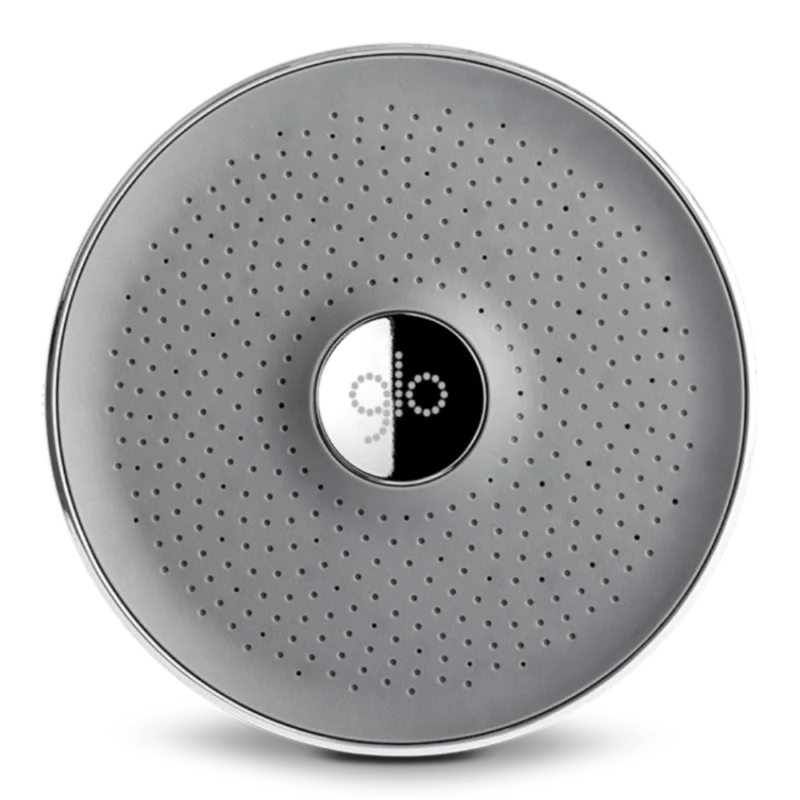
Refresh starts here. The GLO – Filtered Shower Head transforms ordinary water into pure clarity—removing impurities and softening every drop for radiant skin and luminous hair. One effortless switch turns your daily shower into a wellness ritual, leaving your body renewed and refreshed with every use.
Activated carbon filters trap chlorine and volatile organic compounds through a process called adsorption. The carbon’s porous surface area captures these chemicals as water flows through.
KDF (Kinetic Degradation Fluxion) media uses a copper-zinc alloy to remove chlorine, lead, mercury, and iron through oxidation-reduction reactions. This process converts harmful substances into harmless compounds.
Vitamin C filters neutralize chlorine through ascorbic acid. The chemical reaction between vitamin C and chlorine produces harmless byproducts that wash down the drain.
Ceramic filters physically block sediment, rust, and larger particles. The microscopic pores in ceramic material prevent contaminants from passing through while allowing water molecules to flow freely.
The History of Shower Water Filtration
Municipal water treatment plants began adding chlorine to public water supplies in the early 1900s. Jersey City, New Jersey installed the first permanent chlorination system in 1908. This breakthrough eliminated waterborne diseases but introduced a new problem: chlorine exposure during bathing.
Scientists discovered in the 1970s that chlorine evaporates quickly when heated. A hot shower releases chloroform gas into bathroom air. The enclosed space concentrates these vapors, leading to respiratory exposure that often exceeds the amount absorbed through drinking.
The first residential shower filters appeared in the 1980s. Early models used simple carbon filtration and required frequent replacement. These primitive designs reduced chlorine but failed to address heavy metals or maintain consistent water pressure.
Modern filter shower heads emerged in the 2010s with multi-stage filtration systems. Manufacturers combined different media types to target specific contaminants. Contemporary models balance filtration effectiveness with water flow requirements and durability.
Scientific Evidence for Water Filtration Benefits
Chlorine Effects on Skin and Hair
The American Journal of Public Health published research showing chlorine strips natural oils from skin. The study measured transepidermal water loss (TEWL) in subjects who showered with chlorinated water. Results showed a 25% increase in water loss through skin compared to filtered water showers.
Chlorine breaks down keratin proteins in hair. This damage manifests as dryness, brittleness, and color fading. Blonde and chemically treated hair shows the most dramatic deterioration.
Hair cuticles open in hot water, allowing chlorine to penetrate the cortex. The oxidizing effect weakens disulfide bonds that give hair its strength and elasticity.
Heavy Metal Contamination
Lead, mercury, and arsenic enter water supplies through corroded pipes, industrial runoff, and natural mineral deposits. The EPA sets maximum contaminant levels, but these thresholds focus on ingestion safety rather than dermal absorption.
Your skin absorbs heavy metals during showers. A 2017 study measured lead absorption through skin at 64% of the level absorbed through drinking. Hot water and steam increase absorption rates by opening pores and increasing blood flow to the skin surface.
Copper accumulation causes oxidative stress in skin cells. This damage accelerates aging and triggers inflammatory responses. People with sensitive skin notice redness and irritation after showering in high-copper water.
Hard Water Mineral Buildup
Calcium and magnesium create hard water. These minerals bond with soap to form an insoluble residue on skin. The film clogs pores and prevents moisture absorption.
Hard water has a pH level between 7.5 and 8.5. Healthy skin maintains a pH of 4.5 to 5.5. The alkaline water disrupts your skin’s acid mantle, reducing its ability to fight bacteria and retain moisture.
Mineral deposits accumulate on hair shafts, making them feel rough and look dull. The buildup weighs down hair and interferes with styling products.
Real Benefits You Can Measure
Skin Health Improvements
Users report noticeable changes within two weeks of installing filter shower heads. Common improvements include:
- Reduced dryness: Skin retains natural oils and moisture
- Less irritation: Elimination of chlorine reduces redness and itching
- Clearer complexion: Removal of pore-clogging minerals decreases breakouts
- Softer texture: Water pH closer to skin’s natural level improves barrier function
- Eczema relief: Many users experience fewer flares and reduced inflammation
Dermatologists recommend filtered showers for patients with compromised skin barriers. The reduction in irritants allows damaged skin to heal faster.
Hair Quality Changes
Filtered water produces visible hair improvements. Your hair will show these changes:
- Increased shine: Mineral removal allows light to reflect off smooth cuticles
- Better color retention: Blonde and dyed hair maintains vibrancy longer
- Reduced frizz: Closed cuticles create smoother strands
- Easier styling: Hair holds styles better without mineral coating
- Less breakage: Stronger protein bonds reduce split ends
Professional hair stylists notice the difference between clients who use filtered water and those who don’t. Color treatments last 30-40% longer with filtered showers.
Cost Savings Analysis
Filter shower heads reduce spending on corrective products. Calculate your annual savings:
Moisturizers and lotions: $240-480 per year (replacing extra products needed for dry skin)
Hair treatments: $180-360 per year (deep conditioning masks, protein treatments, shine serums)
Professional repairs: $400-600 per year (salon treatments for damage, color correction)
Medical costs: $200-500 per year (dermatologist visits, prescription creams for skin conditions)
Total potential savings: $1,020-1,940 annually
A quality filter shower head costs $60-150. Replacement filters cost $30-60 every 3-6 months. Your annual investment ranges from $120-240.
The payback period is 6-12 weeks. After this point, you save money while improving your health.
Filter Shower Head Technologies Compared
| Filter Type | Best For | Lifespan | Temperature Limit | Flow Rate Impact |
|---|---|---|---|---|
| Activated Carbon | Chlorine, VOCs, odor | 6 months | 105°F | Minimal |
| KDF-55 | Heavy metals, bacteria | 12 months | 130°F | Low |
| Vitamin C | Chlorine, chloramine | 3 months | 100°F | None |
| Ceramic | Sediment, rust, particles | 12 months | 150°F | Moderate |
| Multi-stage | All contaminants | 6 months | 120°F | Low |
Activated Carbon Filters
Carbon filters excel at removing chlorine and organic compounds. The adsorption process works through Van der Waals forces. Contaminant molecules stick to the carbon surface without chemical reactions.
Coconut shell carbon provides the most surface area per gram. This material outperforms coal-based carbon by 50% in chlorine removal efficiency.
Carbon loses effectiveness as pores fill with trapped contaminants. Replace filters when you smell chlorine again or notice water flow decreasing.
KDF Process Filters
KDF media creates electrochemical reactions that neutralize contaminants. The copper-zinc granules generate a small electrical field as water passes through.
This technology removes up to 98% of water-soluble lead and mercury. The process also inhibits bacteria growth by disrupting cell walls through galvanic action.
KDF filters maintain effectiveness in hot water. Carbon filters break down above 90°F, but KDF operates efficiently up to 130°F.
Vitamin C Ascorbic Acid Filters
Vitamin C filters work through a neutralization reaction. One gram of ascorbic acid neutralizes one milligram of chlorine. These filters effectively remove both chlorine and chloramine.
Chloramine resists standard carbon filtration. Water utilities increasingly use chloramine because it persists longer in pipes. Vitamin C provides the most effective chloramine reduction for shower applications.
The chemical reaction produces dehydroascorbic acid and hydrochloric acid in trace amounts. These byproducts are safe and wash away immediately.
Ceramic Filters
Ceramic filtration uses physical barriers rather than chemical processes. The ceramic structure contains billions of microscopic pores sized at 0.2-0.5 microns.
These filters excel at removing visible contaminants: rust particles, sediment, and sand. Ceramic also removes some bacteria and protozoa.
Ceramic filters require regular cleaning. Brush the surface monthly to remove accumulated debris. This maintenance extends filter life to one year or longer.
Installation and Maintenance Requirements
Installation Process
Filter shower heads install without tools in most cases. Follow these steps:
- Remove your existing shower head by turning counterclockwise
- Clean the shower arm threads with a cloth
- Wrap plumber’s tape clockwise around threads (3-4 wraps)
- Attach the filter shower head by hand-tightening clockwise
- Turn on water and check for leaks
- Adjust spray settings to your preference
The entire process takes 5-10 minutes. No plumber necessary.
Refresh starts here. The GLO – Filtered Shower Head transforms ordinary water into pure clarity—removing impurities and softening every drop for radiant skin and luminous hair. One effortless switch turns your daily shower into a wellness ritual, leaving your body renewed and refreshed with every use.
Filter Replacement Schedule
Replace filters based on water quality and usage. General guidelines:
High chlorine levels (>2 ppm): Every 2-3 months Average water quality: Every 4-6 months Low contaminant levels: Every 6-8 months
Track replacement dates on your phone calendar. Most people forget without reminders.
Signs you need a new filter:
- Chlorine smell returns
- Water pressure drops noticeably
- Skin dryness or irritation increases
- Filter cartridge appears discolored
Cleaning Requirements
Clean the shower head exterior monthly. Mineral deposits accumulate on spray nozzles and reduce water flow.
Mix equal parts white vinegar and water in a plastic bag. Secure the bag over the shower head with a rubber band. Let it soak for 30 minutes. Remove the bag and run hot water for two minutes.
This process dissolves calcium buildup without harsh chemicals. Your spray pattern will return to full strength.
What to Look for When Buying
Filtration Capability
Identify your water’s specific problems before purchasing. Request a water quality report from your utility company. These reports list contaminant levels for:
- Chlorine and chloramine
- Lead and copper
- Iron and manganese
- pH level
- Total dissolved solids
Match filter technology to your water issues. Don’t pay for heavy metal filtration if your report shows only chlorine problems.
Flow Rate Performance
Filter shower heads should deliver 2.0-2.5 gallons per minute (GPM). Federal regulations cap shower heads at 2.5 GPM. Quality filters maintain this rate while removing contaminants.
Some cheap filters reduce pressure below 1.5 GPM. This flow feels weak and extends shower time. The extra time negates any water savings.
Look for products with pressure-compensating technology. These designs maintain consistent flow across different water pressures.
Construction Quality
Solid brass bodies resist corrosion better than plastic housings. Brass adds weight but ensures longevity. Plastic cracks from temperature cycling and impact.
Stainless steel spray plates prevent mineral buildup. Chrome-plated plastic corrodes within 1-2 years. The plating peels and exposes the plastic underneath.
Sealed cartridge systems prevent leaks at the filter connection. Screw-on filters often develop drips at the junction point.
Replacement Filter Availability
Proprietary filters create dependency on one manufacturer. Universal filters offer more options and competitive pricing.
Check replacement filter costs before purchasing. Some companies sell cheap shower heads but charge premium prices for filters. This practice makes the total cost of ownership high.
Subscribe-and-save programs reduce filter costs by 15-20%. These services ship replacements automatically at your chosen interval.
Warranty Coverage
Quality manufacturers offer 1-5 year warranties. The coverage should include:
- Manufacturing defects
- Finish deterioration
- O-ring and gasket failure
- Spray plate clogging
Lifetime warranties sound attractive but often exclude the parts that fail first. Read warranty terms carefully.
Common Concerns Addressed
Water Pressure Reduction
Modern multi-stage filters maintain adequate pressure. The pressure drop should not exceed 10% of your baseline.
Test your current pressure with a gauge. Attach it to an outdoor spigot and measure PSI. Typical residential pressure ranges from 40-80 PSI.
If your baseline pressure sits below 45 PSI, choose a filter with minimal restriction. Single-stage vitamin C filters impact pressure least.
Filter Effectiveness Claims
Manufacturers sometimes exaggerate removal percentages. Look for products with independent testing certifications:
NSF/ANSI Standard 177 validates shower filtration performance. This certification requires testing at accredited laboratories. Products must reduce chlorine by at least 50% to pass.
WQA Gold Seal indicates quality assurance testing. The Water Quality Association verifies manufacturer claims through random product testing.
Avoid products making removal claims without supporting documentation. Phrases like “removes 99% of contaminants” require evidence.
Temperature Effects on Filtration
Hot water reduces filter efficiency. Activated carbon loses effectiveness above 90°F. KDF maintains performance but other media types degrade.
Most people shower at 100-105°F. This temperature range decreases carbon filtration by 20-30%. Plan for more frequent filter changes if you prefer hot showers.
Cold water showers maximize filter life. The media performs at peak efficiency below 80°F. However, cold showers feel uncomfortable for most people.
Compatibility With Shower Systems
Filter shower heads work with standard half-inch shower arms. This size fits 95% of residential showers.
Some systems require adapters:
Handheld showers: Use an inline filter between the hose and wall mount Rain heads: Install a filter at the shower arm before the rain head assembly Multiple shower heads: Filter the main water line before it splits
Low-flow and high-efficiency systems work well with filters. The restriction adds minimal back pressure.
Selection Process Summary
Choose your filter shower head by following this decision tree:
Step 1: Test your water or review your utility report
Step 2: Identify primary contaminants (chlorine, heavy metals, minerals)
Step 3: Select filter technology matching your needs:
- Chlorine only: Vitamin C or carbon
- Heavy metals: KDF or multi-stage
- Hard water minerals: KDF with softening media
- Multiple issues: Multi-stage system
Step 4: Verify flow rate meets 2.0+ GPM requirement
Step 5: Confirm construction quality (brass body, steel spray plate)
Step 6: Calculate total annual cost (unit + replacement filters)
Step 7: Check warranty terms and replacement filter availability
Step 8: Read verified customer reviews focusing on longevity and pressure maintenance
The Bottom Line on Value
Filter shower heads deliver measurable benefits that justify their cost. The combination of reduced chemical exposure, improved skin and hair health, and lower spending on corrective products creates clear value.
The scientific evidence supports filtration benefits. Studies demonstrate chlorine’s damaging effects and filtered water’s positive impact on skin barrier function.
Your specific value depends on water quality. People with high chlorine levels, heavy metal contamination, or hard water see the most dramatic improvements. Those with clean municipal water notice fewer changes.
The minimal investment and simple installation make filter shower heads a low-risk purchase. Try one for 60 days. You will notice the difference in your skin and hair. If you don’t, most retailers accept returns.
Your health benefits from reducing chemical exposure. Your appearance improves with better hair and skin. Your wallet benefits from fewer corrective products. Filter shower heads earn their keep through multiple advantages that compound over time.
Refresh starts here. The GLO – Filtered Shower Head transforms ordinary water into pure clarity—removing impurities and softening every drop for radiant skin and luminous hair. One effortless switch turns your daily shower into a wellness ritual, leaving your body renewed and refreshed with every use.