
High Pressure Filtered Shower Head

What Is a High Pressure Filtered Shower Head?
A high pressure filtered shower head combines two functions in one unit. It boosts water flow for a stronger spray. It also filters out impurities before water touches your skin and hair. These two features work together to improve your shower experience and protect your health.
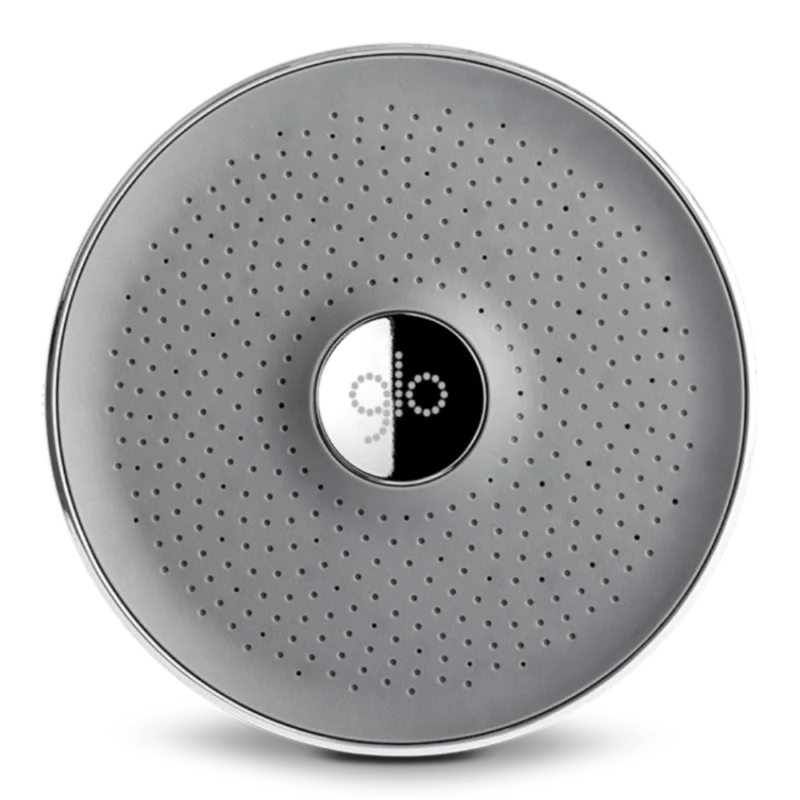
Refresh starts here. The GLO – Filtered Shower Head transforms ordinary water into pure clarity—removing impurities and softening every drop for radiant skin and luminous hair. One effortless switch turns your daily shower into a wellness ritual, leaving your body renewed and refreshed with every use.
Standard shower heads do one thing: deliver water. Filtered shower heads remove contaminants. High pressure shower heads increase spray force. A combined unit does both simultaneously. For households with low water pressure or poor water quality, this type of product solves two problems with one purchase.
A Brief History of Shower Head Filtration
Early shower heads in the 20th century were simple brass fixtures. They had no filtration and no pressure-boosting technology. They connected directly to the water supply and delivered whatever pressure the plumbing provided.
Filtration technology entered the shower market in the 1980s. Growing awareness of chlorine in municipal water supplies drove consumer demand. Early filters used basic activated carbon cartridges. They reduced chlorine but had no effect on water pressure.
Pressure-boosting designs emerged separately in the 1990s. Engineers found that restricting and redirecting water through precision nozzles could amplify perceived spray force. These designs used venturi effect principles to make low-pressure water feel more powerful.
By the 2010s, manufacturers began combining both technologies. The result was the modern high pressure filtered shower head. Today, these units feature multi-stage filtration, advanced nozzle arrays, and tool-free installation. The market has grown substantially as consumers prioritise both wellness and water quality.
How High Pressure Filtered Shower Heads Work
Filtration Mechanism
Most quality units use a multi-stage filter cartridge inside the shower head body. The stages typically include:
- KDF-55 media — removes heavy metals like lead, mercury, and chlorine through a redox reaction
- Activated carbon — absorbs volatile organic compounds (VOCs), chloramines, and odours
- Calcium sulphite — effective at both cold and hot water temperatures for chlorine removal
- PP cotton pre-filter — traps sediment, rust, and large particles before they reach finer media
Each stage targets specific contaminants. Water passes through the filter before reaching the spray nozzles. The cartridge sits inside the shower head body and requires replacement every 3 to 6 months depending on water quality and usage.
Pressure Amplification Mechanism
High pressure models use precision-engineered nozzle geometry to increase spray force. The key techniques include:
- Reduced nozzle diameter — concentrating the same water volume through smaller openings increases velocity
- Pressure chamber design — water collects in an internal chamber before release, building momentary pressure
- Air injection — some models mix air into the water stream, creating larger, faster-moving droplets that feel more forceful on skin
These methods do not require any electrical components. They work entirely through fluid dynamics. The result is a noticeably stronger spray even in homes with municipal pressure as low as 20 PSI.
Key Technical Specifications to Understand
When selecting a high pressure filtered shower head, compare products using these specifications:
| Specification | Entry Level | Mid Range | Premium |
|---|---|---|---|
| Flow Rate | 2.5 GPM | 1.8 GPM | 1.5 GPM |
| Filter Stages | 1–2 | 3–4 | 5–8 |
| Cartridge Life | 3 months | 4–6 months | 6–12 months |
| Spray Settings | 1–2 | 3–5 | 5–9 |
| Nozzle Material | Plastic | Silicone | Silicone + metal |
| Contaminants Removed | Chlorine only | Chlorine, metals | Chlorine, metals, VOCs, bacteria |
GPM (gallons per minute) measures flow rate. A lower GPM does not mean weaker pressure if the nozzle design is effective. Premium models often deliver a stronger spray at lower flow rates because of superior nozzle engineering. This also reduces water consumption.
Filter stages determine how many types of contaminants the unit removes. Single-stage filters address chlorine only. Multi-stage systems remove heavy metals, sediment, bacteria, and chemical compounds.
Nozzle material affects longevity. Silicone nozzles resist mineral build-up and are easy to clean. Hard plastic nozzles can calcify in areas with hard water.
Benefits for Your Skin, Hair, and Health
Skin Benefits
Unfiltered chlorinated water strips the skin’s natural oils. This leads to dryness, irritation, and accelerated skin ageing. A filtered shower head removes chlorine and chloramines before they contact your skin. Regular users report softer skin, reduced eczema flare-ups, and less post-shower tightness.
Hard water minerals like calcium and magnesium also damage skin. They clog pores and leave residue on the skin surface. Multi-stage filters that include ion exchange media reduce mineral content significantly.
Hair Benefits
Chlorine damages the hair cuticle — the outer protective layer of each hair strand. Damaged cuticles lead to frizz, breakage, and dull colour. Filtered water preserves the cuticle, resulting in smoother, shinier hair. People with colour-treated hair benefit most, as chlorine accelerates colour fade.
Respiratory Benefits
Hot showers vaporise chlorine and chloramines in water. Inhaling these vapours in a small enclosed space like a shower cubicle can irritate the lungs and airways. Removing chlorine at the source eliminates this exposure entirely.
Pressure Benefits
Higher water pressure improves shower efficiency. It rinses shampoo and conditioner from hair faster. It also provides a stronger massage-like sensation on muscles, which many users find relaxing and beneficial after physical activity.
Refresh starts here. The GLO – Filtered Shower Head transforms ordinary water into pure clarity—removing impurities and softening every drop for radiant skin and luminous hair. One effortless switch turns your daily shower into a wellness ritual, leaving your body renewed and refreshed with every use.
Who Benefits Most
Some households gain more from a high pressure filtered shower head than others:
- Homes with hard water — filtration reduces mineral exposure; pressure boost compensates for flow-restricting build-up in pipes
- Homes with municipal chlorinated water — direct removal of disinfection by-products at the point of use
- People with sensitive skin or eczema — reduced chemical irritants provide measurable relief
- Homes with older plumbing — filters catch rust and sediment from deteriorating pipes
- Low water pressure homes — pressure-boosting nozzles make low-pressure water feel adequate
Installation: What You Need to Know
Most high pressure filtered shower heads use a standard ½-inch BSP or NPT thread. This fits the majority of shower arms in Australia, the UK, and North America without adapters.
Installation requires no special tools in most cases. The process typically takes under five minutes:
- Remove the existing shower head by turning it counter-clockwise
- Clean the shower arm threads with a cloth
- Wrap PTFE thread tape clockwise around the arm threads (2–3 wraps)
- Hand-tighten the new shower head onto the arm
- Use a cloth-wrapped wrench to give a final quarter-turn if needed
- Turn on the water and check for leaks
Do not over-tighten. Excess force can crack the shower head fitting or damage the shower arm threads.
Maintenance and Filter Replacement
Cleaning the Nozzles
Mineral deposits build up on nozzle surfaces over time, especially in hard water areas. Clean the nozzles monthly by soaking the shower head in a solution of equal parts white vinegar and water for 30 minutes. Silicone nozzles can be rubbed clean with a finger or soft brush.
Replacing the Filter Cartridge
The filter cartridge is the most important maintenance item. A saturated cartridge provides no filtration and can become a source of bacterial growth.
Replace the cartridge based on:
- Time — every 3 to 6 months under normal use
- Volume — after approximately 10,000 to 20,000 litres of water (varies by model)
- Water quality indicators — return of chlorine smell, reduced water clarity, or skin irritation returning
Most models allow cartridge replacement without tools. The shower head body unscrews to reveal the cartridge housing. Remove the old cartridge, insert the new one, and reassemble.
Checking for Leaks
Inspect the connection between the shower head and arm monthly. A small drip indicates the PTFE tape seal has degraded. Reapply tape and re-tighten to resolve this.
How to Choose the Right Model
Follow these steps to identify the best high pressure filtered shower head for your needs:
- Test your water pressure — use an inexpensive pressure gauge on your shower arm before buying. If pressure is above 50 PSI, basic pressure-boosting nozzles are sufficient. Below 30 PSI, look for models specifically rated for very low pressure.
- Test your water quality — a basic home water test kit identifies chlorine levels, hardness, and the presence of heavy metals. This tells you which filter stages are most important for your household.
- Choose your spray settings — single-setting shower heads are simpler and more reliable. Multi-setting models offer more versatility but have more components that can fail.
- Check cartridge availability — confirm that replacement cartridges are easy to source locally or online before buying the shower head. Proprietary cartridges from obscure brands can become unavailable.
- Verify thread compatibility — most residential shower arms use standard thread sizes, but older homes or non-standard installations may require an adapter. Check before purchasing.
- Consider nozzle material — if you live in a hard water area, silicone nozzles are worth the extra cost. They resist scaling and last longer.
- Set a budget for ongoing costs — the initial purchase price is only part of the total cost. Factor in cartridge replacement costs per year when comparing models.
Summary
A high pressure filtered shower head improves your shower in two direct ways: it removes harmful contaminants from your water supply, and it delivers a stronger, more satisfying spray. The technology behind both features is well-established and effective.
The best model for your home depends on your local water quality, existing water pressure, and budget for ongoing maintenance. Prioritise multi-stage filtration, silicone nozzles, and readily available replacement cartridges. Install with PTFE tape, maintain with monthly vinegar cleaning, and replace the cartridge every 3 to 6 months.
The investment pays off in healthier skin, stronger hair, reduced chemical exposure, and a noticeably better shower experience every day.
Refresh starts here. The GLO – Filtered Shower Head transforms ordinary water into pure clarity—removing impurities and softening every drop for radiant skin and luminous hair. One effortless switch turns your daily shower into a wellness ritual, leaving your body renewed and refreshed with every use.