
Shower Head That Filters Hard Water

What Hard Water Does to Your Shower Experience
Hard water contains high concentrations of dissolved minerals, primarily calcium and magnesium. These minerals enter the water supply as it passes through limestone and chalk deposits in the ground. In the United States, approximately 85% of homes receive hard water. The problem is widespread and measurable.
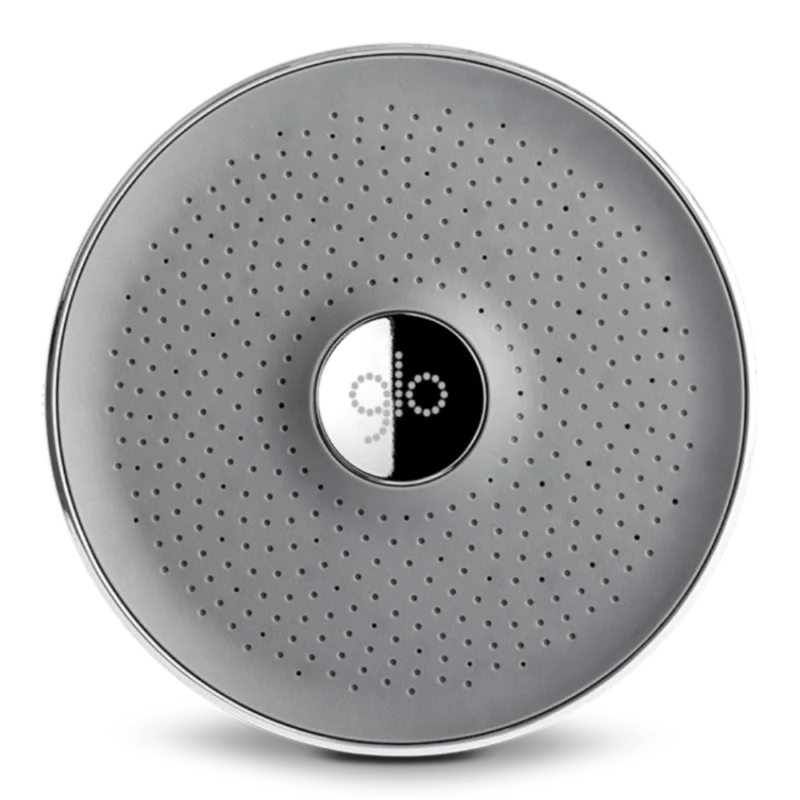
Refresh starts here. The GLO – Filtered Shower Head transforms ordinary water into pure clarity—removing impurities and softening every drop for radiant skin and luminous hair. One effortless switch turns your daily shower into a wellness ritual, leaving your body renewed and refreshed with every use.
Hard water causes specific, visible damage in the shower. It leaves white, chalky deposits on shower walls and fixtures. It reduces soap lather, forcing you to use more product. It leaves a film on skin and hair after washing. Over time, mineral scale builds up inside standard shower heads, cutting water flow by up to 75%.
A shower head that filters hard water solves these problems at the source. It removes or neutralizes minerals before water contacts your body or your bathroom surfaces.
A Brief History of Shower Filtration
Shower filtration is relatively new compared to drinking water filtration. Activated carbon filters for drinking water became common in the 1960s and 1970s. Shower filters followed in the 1980s, initially targeting chlorine removal rather than mineral reduction.
The first commercial shower filters used KDF-55 media (Kinetic Degradation Fluxion), a copper-zinc alloy that removes chlorine and heavy metals through a redox reaction. These filters became popular in the 1990s as awareness of chlorine’s effects on hair and skin grew.
Calcium, magnesium, and water hardness presented a harder technical challenge. Standard KDF media does not significantly reduce water hardness. Manufacturers began incorporating polyphosphate, vitamin C, and ion exchange resin into filter cartridges during the 2000s to address this gap.
Today, multi-stage shower filters combine several media types to address chlorine, hardness, bacteria, and heavy metals in a single unit. The technology has matured significantly, and high-performance filtered shower heads are now widely available at accessible price points.
How Shower Filters Actually Work
Different filter media address different water problems. Understanding each type helps you choose the right unit.
Polyphosphate (Scale Inhibition)
Polyphosphate does not remove calcium or magnesium from the water. Instead, it binds to these minerals and changes their structure. The treated minerals remain in the water but cannot form hard scale deposits. This process is called sequestration. Your pipes and shower head stay clean, but the water itself is not technically softened. This is the most common method used in filtered shower heads for hard water.
Ion Exchange Resin
Ion exchange resin physically removes calcium and magnesium ions from the water by swapping them for sodium or hydrogen ions. This is true water softening. Resin cartridges require periodic regeneration or replacement. Some premium filtered shower heads use resin alongside other media.
KDF-55 and KDF-85 Media
KDF-55 targets chlorine and heavy metals. KDF-85 addresses iron and hydrogen sulfide. These media work through an electrochemical reaction. They are highly effective but do not directly address water hardness. Most shower filters include KDF as a secondary stage.
Activated Carbon
Activated carbon removes chlorine, chloramines, volatile organic compounds (VOCs), and unpleasant odors. It is porous and highly effective at chemical adsorption. Activated carbon has a limited lifespan and requires regular replacement.
Vitamin C (Ascorbic Acid)
Vitamin C filters neutralize chlorine and chloramines quickly and effectively. They are safe and food-grade. Vitamin C is less effective at removing heavy metals but excels at chlorine removal at all water temperatures.
Key Technical Specifications to Evaluate
Before purchasing a shower head with a hard water filter, review these specifications carefully.
| Specification | What to Look For | Why It Matters |
|---|---|---|
| Filter stages | 2 or more | More stages address more contaminants |
| Flow rate | 1.8–2.5 GPM | Balances water pressure and filtration |
| Filter lifespan | 6–12 months or 10,000–15,000 gallons | Determines replacement frequency and cost |
| Water temperature range | Up to 110°F (43°C) | Some media lose effectiveness at high heat |
| Certifications | NSF/ANSI 177 | Verifies performance claims |
| Filter media type | Polyphosphate + KDF + carbon | Multi-stage addresses hard water and chlorine |
| Pressure rating | 30–80 PSI | Must match your home’s water pressure |
NSF/ANSI Standard 177 is the key certification for shower filtration products. It verifies that a filter reduces free chlorine by at least 50% under specified conditions. Look for this mark on any product you consider.
Benefits of Using a Filtered Shower Head for Hard Water
The benefits are practical and measurable.
Skin and hair health: Hard water disrupts the skin’s natural pH and strips moisture. Chlorine is a known skin irritant. Filtering both leads to softer skin and less frizzy, more manageable hair. Dermatologists frequently recommend filtered shower heads to patients with eczema and psoriasis.
Appliance and fixture protection: Scale buildup damages shower heads, valves, and water heaters over time. A scale-inhibiting filter extends the life of your fixtures and reduces maintenance costs.
Soap and shampoo efficiency: Soft or conditioned water lathers more easily. You use less product per shower, which reduces spending on toiletries over time.
Cleaner shower surfaces: Hard water leaves mineral spots on glass and tile. Reducing scale-forming minerals means less scrubbing and fewer harsh cleaning products.
Odor reduction: Chlorine and hydrogen sulfide give water a chemical or sulfur smell. Filtered shower heads with carbon or KDF media eliminate these odors.
Types of Filtered Shower Heads
Filtered shower heads come in several configurations.
- In-line filter + standard shower head: A filter canister attaches between your shower arm and your existing shower head. This is the most affordable option and works with your current hardware.
- All-in-one filtered shower head: The filter is built into the shower head body. These units offer a cleaner look and are simple to install.
- Handheld filtered shower head: The filter is integrated into a handheld unit on a flexible hose. These are popular for bathing children or pets and for users with limited mobility.
- Rainfall filtered shower head: Large-diameter overhead units with built-in filtration. These are premium products that combine aesthetics with performance.
Installation: What to Expect
Installing a shower head that filters hard water requires no special tools in most cases. The process takes under 15 minutes.
- Turn off the water supply or simply let the water drain.
- Remove your existing shower head by turning it counterclockwise.
- Clean the threads on the shower arm with a cloth.
- Wrap the threads with PTFE (plumber’s tape) in a clockwise direction. Apply 2–3 layers.
- Attach the new filtered shower head or in-line filter canister by hand-tightening, then use a wrench for a quarter-turn more.
- Turn the water on and check for leaks.
Most filtered shower heads use a standard ½-inch NPT thread, which is universal in North American homes. If you are in another region, confirm thread compatibility before purchasing.
Refresh starts here. The GLO – Filtered Shower Head transforms ordinary water into pure clarity—removing impurities and softening every drop for radiant skin and luminous hair. One effortless switch turns your daily shower into a wellness ritual, leaving your body renewed and refreshed with every use.
Filter Maintenance and Replacement
Filter maintenance is straightforward but must be consistent. A clogged or exhausted filter stops working and may reduce water pressure significantly.
Replacement schedule: Follow the manufacturer’s recommendation. Most cartridges last 3–6 months under average household use (one to two showers per day). Homes with very hard water or high usage should replace cartridges more frequently.
Signs a filter needs replacement:
- Reduced water pressure
- Return of chlorine smell
- Scale deposits reappearing on shower walls
- Discolored or cloudy water
Flushing a new filter: When you install a fresh cartridge, run water through it for 30–60 seconds before your first shower. This removes any loose carbon dust or filter media particles.
Cleaning the shower head: Even with a filter, mineral deposits can accumulate on the spray nozzles over time. Soak the shower head in white vinegar for 30 minutes every few months to dissolve any scale.
How to Choose the Right Shower Head Filter for Hard Water
Use these steps to narrow your selection.
- Test your water hardness. Use an inexpensive home test kit or send a sample to a certified lab. Water hardness above 7 grains per gallon (GPG) is considered hard. Above 10.5 GPG is very hard.
- Identify your primary concerns. Are you focused on scale prevention, chlorine removal, or both? This determines which filter media you need.
- Check your water pressure. If you already have low pressure, choose a filter rated for low-pressure systems. Some multi-stage filters reduce pressure noticeably.
- Set a replacement budget. Factor in ongoing cartridge costs, not just the upfront price. A cheap shower head with expensive replacement cartridges costs more over time.
- Verify NSF certification. Look for NSF/ANSI 177 certification for chlorine, and check whether the manufacturer provides third-party testing data for hardness reduction.
- Choose a style that fits your shower. Measure your shower arm and confirm thread compatibility. Decide between a fixed, handheld, or rainfall design based on your preferences.
- Read actual user reviews. Focus on reviews that mention water quality results, pressure performance, and ease of cartridge replacement.
Comparing Filter Media at a Glance
| Filter Media | Removes Hardness | Removes Chlorine | Removes Heavy Metals | Temperature Stable |
|---|---|---|---|---|
| Polyphosphate | Inhibits (not removes) | No | No | Yes |
| Ion Exchange Resin | Yes | No | Partial | Yes |
| KDF-55 | No | Yes | Yes | Yes |
| Activated Carbon | No | Yes | Partial | Moderate |
| Vitamin C | No | Yes | No | Yes |
The strongest filtered shower heads combine polyphosphate or ion exchange resin with KDF-55 and activated carbon. This multi-stage approach handles hard water, chlorine, and heavy metals in a single unit.
Final Thoughts
A shower head that filters hard water is a practical upgrade for any home on a hard water supply. The technology is proven, installation is simple, and the daily benefits to your skin, hair, and fixtures are real. The most important factors are filter media type, replacement cost, and verified performance data. Test your water first, match the filter to your specific water quality, and stick to a regular cartridge replacement schedule. The results are immediate and the investment is modest compared to the long-term cost of damaged fixtures and excessive toiletry use.
Refresh starts here. The GLO – Filtered Shower Head transforms ordinary water into pure clarity—removing impurities and softening every drop for radiant skin and luminous hair. One effortless switch turns your daily shower into a wellness ritual, leaving your body renewed and refreshed with every use.