
Is a Shower Filter Worth It?

What a Shower Filter Does
A shower filter attaches to your showerhead or sits between your water line and the showerhead. The device removes or reduces contaminants from your water supply before the water hits your skin and hair.
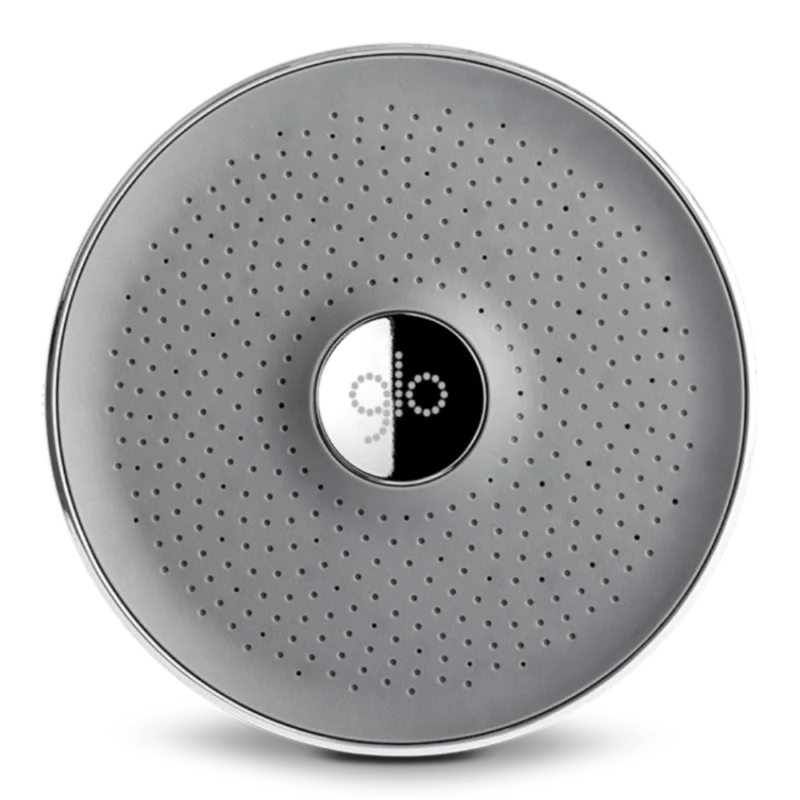
Refresh starts here. The GLO – Filtered Shower Head transforms ordinary water into pure clarity—removing impurities and softening every drop for radiant skin and luminous hair. One effortless switch turns your daily shower into a wellness ritual, leaving your body renewed and refreshed with every use.
Most filters target chlorine, chloramines, heavy metals, sediment, and volatile organic compounds (VOCs). The filtration media inside the cartridge captures these substances through chemical reactions or physical barriers.
Municipal water treatment facilities add chlorine to kill bacteria. This practice started in 1908 in Jersey City, New Jersey. By the 1950s, nearly all U.S. cities chlorinated their water supplies. Chlorine serves a critical public health function, but it causes dryness and irritation for many people.
The History of Shower Filtration
The first shower filters appeared in the 1980s. Consumers wanted to reduce chlorine exposure after scientific studies linked chlorine byproducts to health concerns. Early models used basic activated carbon or KDF (Kinetic Degradation Fluxion) media.
By the 1990s, manufacturers improved filter designs. They added multiple stages of filtration and longer-lasting cartridges. The 2000s brought vitamin C filters that neutralize chlorine through a chemical process called ascorbic acid dechlorination.
Today’s filters combine several media types in one cartridge. This multi-stage approach handles a broader range of contaminants than single-media filters from previous decades.
How Shower Filters Remove Contaminants
Different filter types use distinct mechanisms:
Activated Carbon Filters
- Absorb chlorine, VOCs, and some pesticides
- Work through a process called adsorption
- Contain millions of microscopic pores that trap molecules
- Lose effectiveness in hot water (above 90°F)
KDF Filters
- Use copper-zinc alloy granules
- Create an electrochemical reaction that converts chlorine to chloride
- Remove heavy metals like lead, mercury, and arsenic
- Maintain effectiveness at high temperatures
- Inhibit bacterial growth inside the filter
Vitamin C Filters
- Neutralize both chlorine and chloramines
- Work through a chemical reaction with ascorbic acid
- Perform well in hot water
- Get depleted faster than other media types
Ceramic Filters
- Block sediment and bacteria through small pore sizes
- Can be cleaned and reused
- Don’t remove chemical contaminants
- Last longer than replaceable cartridge filters
Signs You Need a Shower Filter
Your water quality determines whether a filter provides significant benefits. Look for these indicators:
Physical Symptoms
- Dry, itchy skin after showering
- Brittle, damaged hair
- Scalp irritation or dandruff
- Red, irritated eyes
- Skin conditions that worsen after bathing
Water Quality Signs
- Strong chlorine smell
- Metallic taste or smell
- Orange or brown stains on fixtures
- Scale buildup on showerheads
- Cloudy or discolored water
Testing Results
Request a Consumer Confidence Report from your water utility. This annual report lists contaminant levels. You can also purchase test kits that measure:
- Free chlorine levels (above 2 ppm indicates high chlorination)
- Total dissolved solids (TDS above 500 ppm suggests filtration may help)
- Heavy metal presence
- pH levels (below 6.5 or above 8.5 can cause issues)
Benefits You Can Expect
For Your Skin
Chlorine strips natural oils from skin. A filter reduces this effect. Users report:
- Less dryness and flaking
- Reduced need for moisturizers
- Fewer breakouts for acne-prone skin
- Less irritation for eczema and psoriasis
- Softer skin texture
For Your Hair
Chlorine damages the cuticle layer of hair strands. This creates a rough texture and reduces shine. Filtered water helps maintain:
- Natural oil balance
- Color-treated hair vibrancy (chlorine fades dye faster)
- Smoother cuticle structure
- Less frizz and breakage
- Better moisture retention
For Your Respiratory System
Hot showers create steam that carries chlorine vapors. Inhaling these vapors irritates airways. A filter reduces:
- Coughing during or after showers
- Sinus irritation
- Asthma trigger exposure
- Indoor air quality issues
For Your Plumbing
Hard water and sediment damage fixtures over time. Filters extend the life of:
- Showerheads (less clogging)
- Valve cartridges
- Tile grout
- Glass shower doors (less mineral buildup)
Cost Analysis
| Item | Price Range | Lifespan | Annual Cost |
|---|---|---|---|
| Basic Filter Unit | $20-$40 | N/A | $0 (one-time) |
| Premium Filter Unit | $60-$150 | N/A | $0 (one-time) |
| Standard Replacement Cartridge | $15-$30 | 3-6 months | $40-$120 |
| Vitamin C Cartridge | $20-$40 | 2-4 months | $80-$240 |
| KDF Cartridge | $30-$50 | 6-12 months | $30-$100 |
Average annual cost: $70-$200 depending on filter type and water usage.
Compare this to potential savings:
- Reduced moisturizer purchases: $50-$150/year
- Less frequent hair treatments: $100-$300/year
- Lower showerhead replacement costs: $30-$60/year
Many users break even within the first year.
Refresh starts here. The GLO – Filtered Shower Head transforms ordinary water into pure clarity—removing impurities and softening every drop for radiant skin and luminous hair. One effortless switch turns your daily shower into a wellness ritual, leaving your body renewed and refreshed with every use.
Installation Process
Most shower filters require no professional help. The installation takes 10-15 minutes.
Standard Installation Steps:
- Remove your existing showerhead by turning it counterclockwise
- Clean the shower arm threads with a cloth
- Wrap the threads with Teflon tape (3-5 wraps clockwise)
- Screw the filter onto the shower arm hand-tight
- Attach your showerhead to the filter outlet
- Turn on water and check for leaks
- Tighten connections slightly if drips occur
Handheld Showerhead Installation:
- Remove the handheld unit from its hose
- Attach the filter between the hose and the handheld
- Use rubber washers at both connections
- Test for leaks and adjust
Some filters include a built-in showerhead. These replace your existing unit completely.
Maintenance Requirements
Shower filters need regular attention for optimal performance.
Cartridge Replacement
Track your replacement schedule based on:
- Water hardness (harder water depletes filters faster)
- Household size (more showers = faster depletion)
- Chlorine levels (higher levels reduce filter life)
- Manufacturer recommendations
Signs a cartridge needs replacement:
- Return of chlorine smell
- Decreased water pressure
- Visible discoloration of media
- Recommended time period has passed
Filter Housing Care
Every 3-6 months:
- Unscrew the filter housing
- Rinse with warm water
- Check rubber gaskets for damage
- Inspect for cracks or wear
- Reassemble with the new cartridge
Water Pressure Considerations
Filters reduce flow rate by 5-20% depending on media density. If pressure drops significantly:
- Check for sediment buildup in the cartridge
- Clean the showerhead output screen
- Replace the cartridge early
- Consider a larger filter with higher flow capacity
Limitations to Understand
Shower filters don’t solve every water quality problem.
What Filters Can’t Remove:
- Total dissolved solids (TDS) – Requires reverse osmosis
- Fluoride – Needs specialized media like activated alumina
- Bacteria and viruses – Standard filters lack small enough pores
- All heavy metals – Some trace elements pass through
- Hard water minerals – Calcium and magnesium require water softeners
Performance Factors:
- Hot water reduces activated carbon effectiveness
- High water pressure shortens cartridge life
- Very cold water slows chemical reactions in vitamin C filters
- Sediment clogs filters faster in areas with old pipes
Choosing the Right Filter
Match the filter type to your primary concern.
For Chlorine Removal:
- Vitamin C filters (best for chloramines)
- KDF filters (better in hot water)
- Activated carbon (budget option)
For Heavy Metals:
- KDF filters (copper-zinc alloy targets metals)
- Multi-stage filters with carbon and KDF
For Sensitive Skin:
- Vitamin C filters (gentlest removal process)
- Multi-stage with vitamin C and carbon
For Hard Water Areas:
- KDF filters (some scale prevention)
- Consider adding a whole-house softener
For Budget Concerns:
- Activated carbon (lowest cartridge cost)
- Long-life KDF filters (higher initial cost, fewer replacements)
Performance Verification
Test your filter’s effectiveness after installation.
Chlorine Test:
- Purchase chlorine test strips
- Test water before filter installation (baseline)
- Install filter
- Test again after 24 hours
- Compare readings (should show 50-90% reduction)
Subjective Assessment: Track changes over 2-4 weeks:
- Skin moisture levels
- Hair texture and shine
- Chlorine odor in bathroom
- Respiratory comfort during showers
Take photos of your skin and hair before installation. Compare after one month of use.
The Final Assessment
A shower filter provides measurable value if you have chlorinated municipal water. The device costs less than many skincare products and delivers daily benefits.
You’ll benefit most if you:
- Live in areas with heavy chlorination
- Have dry or sensitive skin
- Experience hair damage or color fading
- Notice chlorine odor in your water
- Have respiratory sensitivities
You may not need one if:
- Your home has a whole-house filtration system
- You use well water with minimal treatment
- You shower infrequently
- Your water tests show low contaminant levels
The investment pays back through reduced skincare costs, better hair health, and improved shower comfort. Most users notice differences within the first few weeks.
Start with a mid-range filter that uses KDF or vitamin C media. These provide broad contaminant removal and work well in various water conditions. Track your results for one cartridge cycle. The changes you notice will determine if this addition to your shower deserves a permanent place in your routine.
Refresh starts here. The GLO – Filtered Shower Head transforms ordinary water into pure clarity—removing impurities and softening every drop for radiant skin and luminous hair. One effortless switch turns your daily shower into a wellness ritual, leaving your body renewed and refreshed with every use.