
Does Shower Filter Really Work?

What Shower Filters Actually Do
Shower filters remove contaminants from your water supply. These devices attach between your shower pipe and showerhead. Water passes through a filtration medium that captures chlorine, heavy metals, and other substances before they reach your skin and hair.
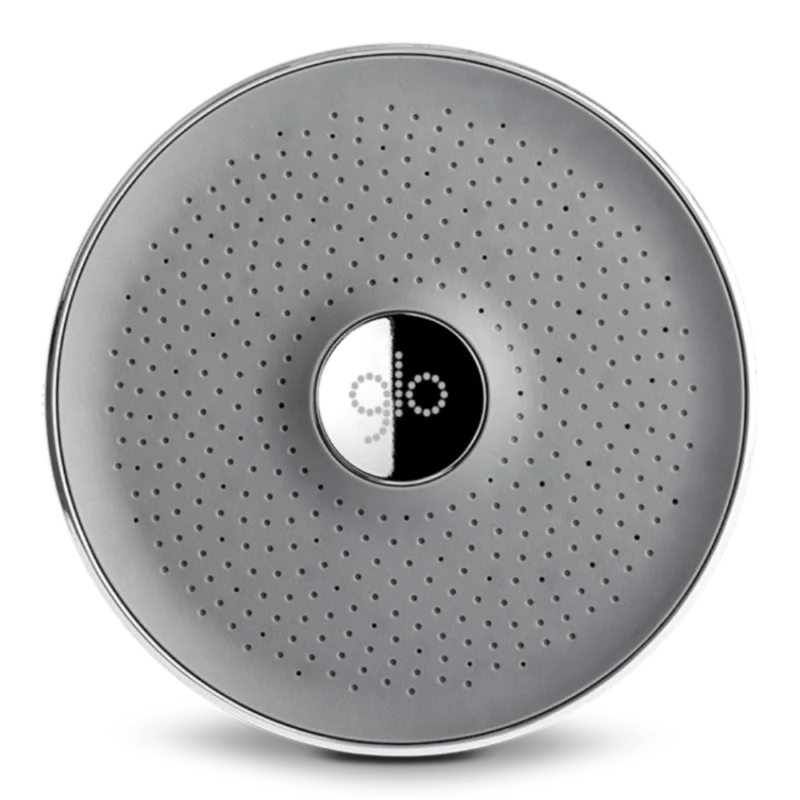
Refresh starts here. The GLO – Filtered Shower Head transforms ordinary water into pure clarity—removing impurities and softening every drop for radiant skin and luminous hair. One effortless switch turns your daily shower into a wellness ritual, leaving your body renewed and refreshed with every use.
The filtration process depends on the media inside the filter. Most filters use activated carbon, KDF (Kinetic Degradation Fluxion), or vitamin C to neutralize contaminants. Each material targets different pollutants through specific chemical reactions.
Chlorine removal stands as the primary function. Municipal water treatment plants add chlorine to kill bacteria. While safe to drink, chlorinated water strips natural oils from skin and hair. A filter can remove up to 99% of chlorine from your shower water.
The Science Behind Shower Filtration
Chemical Processes That Remove Contaminants
Activated carbon works through adsorption. The porous structure of carbon attracts and traps chlorine molecules, volatile organic compounds (VOCs), and some pesticides. One gram of activated carbon contains a surface area of 500-1500 square meters.
KDF media consists of copper-zinc alloy granules. These create an electrochemical reaction called redox (reduction-oxidation). The process converts chlorine into harmless chloride. KDF also removes heavy metals like lead, mercury, and arsenic through ion exchange.
Vitamin C (ascorbic acid) neutralizes chlorine and chloramine through a simple chemical reaction. This method works effectively in both hot and cold water. Vitamin C filters dissolve gradually as water passes through them.
What Gets Filtered Out
Different shower filters target specific contaminants:
- Chlorine: 90-99% removal rate
- Chloramine: 90-95% removal with vitamin C filters
- Heavy metals: Lead, mercury, arsenic (70-90% with KDF)
- VOCs: Benzene, trihalomethanes (60-80% with carbon)
- Hydrogen sulfide: Reduces sulfur smell
- Iron oxide: Decreases rust discoloration
Shower filters do not remove bacteria, viruses, or dissolved minerals that cause hard water. You need specialized systems for those issues.
Historical Development of Shower Filters
The first shower filters appeared in the 1980s. Consumer awareness about chlorine exposure through inhalation and skin absorption drove initial demand. Studies revealed that hot showers release chlorine gas, which people breathe in enclosed bathroom spaces.
The EPA published research in the 1980s showing that dermal absorption and inhalation during showers contributed more chlorine exposure than drinking water. This finding sparked the home water filtration industry.
Early models used basic carbon filters. Performance was inconsistent. Water temperature and flow rate significantly affected filtration efficiency. Carbon filters degraded quickly in hot water.
The 1990s brought KDF-55 media innovation. Don Heskett invented this copper-zinc formulation. KDF worked better in hot water than carbon alone. Manufacturers began combining multiple filtration stages.
Modern filters incorporate three to five filtration stages. These hybrid systems maximize contaminant removal across different water conditions. Recent innovations include calcium sulfite media, which removes chlorine at high temperatures without degrading.
Technical Specifications That Matter
Filter Capacity and Lifespan
Filter capacity measures how many gallons the filter processes before requiring replacement. Standard specifications include:
| Filter Type | Capacity (Gallons) | Lifespan (Months) | Chlorine Removal |
|---|---|---|---|
| Activated Carbon Only | 6,000-10,000 | 3-6 | 85-95% |
| KDF + Carbon | 10,000-15,000 | 6-9 | 95-99% |
| Vitamin C | 2,000-3,000 | 2-4 | 90-95% |
| Multi-Stage (KDF + Carbon + Calcium Sulfite) | 12,000-20,000 | 6-12 | 98-99% |
A typical household uses 2.1 gallons per minute during an 8-minute shower. This equals approximately 17 gallons per shower. A family of four showers daily uses about 2,040 gallons monthly.
Flow Rate Impact
Shower filters restrict water flow slightly. Most quality filters maintain 2.0-2.5 GPM (gallons per minute). Lower flow rates improve filtration efficiency but reduce shower pressure.
Standard showerheads without filters operate at 2.5 GPM. A filter that drops flow to 1.5 GPM may feel weak. Look for filters that maintain at least 2.0 GPM while preserving filtration performance.
Water Temperature Tolerance
Hot water degrades certain filter media faster than cold water. Check temperature ratings:
- Carbon filters: Optimal below 100°F, degraded above 140°F
- KDF filters: Effective up to 130°F
- Vitamin C filters: Stable across all temperature ranges
- Calcium sulfite: Performs best in hot water (above 100°F)
Real Benefits You Will Notice
Skin Improvements
Chlorine strips the lipid barrier that protects your skin. This causes dryness, itching, and irritation. Filtering chlorine preserves natural oils.
People with eczema, psoriasis, or sensitive skin report significant relief. A 2013 study in the Journal of Dermatological Science found chlorine exposure worsens atopic dermatitis symptoms. Participants using shower filters showed 30% improvement in skin hydration levels after four weeks.
Hair Quality Changes
Chlorine damages the protein structure of hair. It oxidizes the fatty acids on hair shafts, making hair brittle and discolored. Blonde and light-colored hair often turns green from copper compounds in chlorinated water.
Users report these improvements after filtering shower water:
- Reduced frizz and tangles
- Better color retention for dyed hair
- Increased shine and softness
- Less scalp irritation
- Decreased hair breakage
Respiratory Benefits
Hot showers vaporize chlorine into chloroform gas. Inhaling this gas in a poorly ventilated bathroom irritates airways. People with asthma or bronchial sensitivity benefit from filtered water.
A study by the American Journal of Public Health noted that showering in chlorinated water creates exposure risks comparable to drinking unfiltered water. Filtration reduces this inhalation exposure by 80-90%.
What Shower Filters Cannot Do
Filters have limitations. Understanding these prevents disappointment:
Hard Water Problems Persist
Calcium and magnesium cause hard water. These minerals create soap scum and leave deposits on fixtures. Shower filters do not remove these dissolved minerals. You need a whole-house water softener for hard water issues.
No Bacteria or Virus Removal
Standard shower filters lack the microbial barriers found in drinking water filters. They do not remove bacteria, viruses, or cysts. If your water source has biological contamination, you need a system with 0.2-micron absolute filtration or UV sterilization.
Fluoride Stays in Water
Fluoride requires specialized filtration like reverse osmosis or activated alumina. Shower filters do not remove fluoride. This matters only if you prefer fluoride-free water for topical exposure.
Refresh starts here. The GLO – Filtered Shower Head transforms ordinary water into pure clarity—removing impurities and softening every drop for radiant skin and luminous hair. One effortless switch turns your daily shower into a wellness ritual, leaving your body renewed and refreshed with every use.
Installation and Maintenance Requirements
Easy Installation Process
Most shower filters require no tools. The process takes 5-10 minutes:
- Remove your existing showerhead by turning counterclockwise
- Clean the threads on your shower arm
- Wrap plumber’s tape (PTFE tape) clockwise around the threads
- Screw the filter onto the shower arm hand-tight
- Attach your showerhead to the filter outlet
- Turn on water and check for leaks
Some filters come with built-in showerheads. These replace your current setup entirely.
Replacement Schedule
Follow manufacturer guidelines for filter replacement. Overused filters lose effectiveness and may release trapped contaminants back into water.
Signs you need a new filter:
- Water flow decreases noticeably
- Chlorine smell returns
- Skin dryness comes back
- You reach the gallon capacity limit
- Six months pass (even with low usage)
Keep spare cartridges on hand. Replacement cartridges cost $20-$40 depending on the filtration media.
Cleaning the Filter Housing
Every three months, clean the filter housing:
- Remove the filter cartridge
- Rinse the housing with warm water
- Use a soft brush to remove mineral deposits
- Wipe with white vinegar to dissolve buildup
- Rinse thoroughly before reinstalling the cartridge
This maintenance prevents bacterial growth in the housing unit.
Selecting the Right Filter for Your Water
Test Your Water First
Know what contaminants you need to remove. Get a water quality report from your municipal supplier or purchase a home water test kit ($20-$50).
Key parameters to check:
- Free chlorine levels: Most tap water contains 0.5-2.0 ppm
- Heavy metals: Lead, copper, mercury
- pH levels: Affects filter media performance
- Hardness: Determines if you need additional treatment
Match Filter Media to Contaminants
Choose filtration media based on your water test results:
For high chlorine only: Vitamin C or activated carbon filters work well. These cost less and provide adequate removal.
For chlorine plus heavy metals: KDF + carbon combination filters offer comprehensive protection. These handle multiple contaminants effectively.
For chloramine: Vitamin C filters specifically target chloramine. Many municipal systems now use chloramine instead of chlorine because it lasts longer in pipes.
For hot water preference: Calcium sulfite or vitamin C filters maintain performance at high temperatures. Carbon filters lose efficiency above 100°F.
Budget Considerations
Filter prices range from $25 to $150 for the initial unit. Annual replacement costs add $40-$120 depending on usage and filter type.
| Price Range | Filter Type | Best For |
|---|---|---|
| $25-$40 | Basic carbon | Low chlorine, single user |
| $40-$70 | KDF + carbon | Moderate chlorine, heavy metals |
| $70-$100 | Multi-stage | High contaminant levels, families |
| $100-$150 | Premium multi-stage with vitamin C | Chloramine, sensitive skin |
Consider cost per gallon filtered. A $60 filter lasting 12,000 gallons costs $0.005 per gallon. A $30 filter lasting 6,000 gallons also costs $0.005 per gallon. Longer-lasting filters reduce replacement frequency.
Real-World Performance Data
Independent testing by NSF International and Water Quality Association provides performance validation. Look for these certifications:
- NSF/ANSI 177: Shower filtration systems standard
- WQA Gold Seal: Verifies manufacturer claims
- California Proposition 65: Confirms no harmful material leaching
Certified filters consistently remove 95%+ of free chlorine across their rated capacity. Non-certified filters show variable performance, sometimes dropping below 70% removal.
Consumer reports indicate satisfaction rates above 85% for certified shower filters. Common complaints include flow rate reduction and shorter-than-claimed lifespan in hard water areas.
The Bottom Line on Shower Filter Effectiveness
Shower filters work as advertised for their intended purpose: removing chlorine and certain contaminants from shower water. The technology proves effective through both chemical principles and real-world testing.
You will notice tangible benefits if your water contains moderate to high chlorine levels (above 1.0 ppm). People with sensitive skin, color-treated hair, or respiratory conditions gain the most noticeable improvements.
The investment makes sense for most households. A $50-$70 filter costs less than specialty shampoos and skin treatments that address chlorine damage. Annual maintenance costs remain minimal compared to the protective benefits.
Choose a certified filter with appropriate media for your specific water contaminants. Follow replacement schedules to maintain performance. Your skin, hair, and respiratory health will reflect the improvement in water quality.
Refresh starts here. The GLO – Filtered Shower Head transforms ordinary water into pure clarity—removing impurities and softening every drop for radiant skin and luminous hair. One effortless switch turns your daily shower into a wellness ritual, leaving your body renewed and refreshed with every use.