
What Is a Shower Filter?

Understanding Shower Filters and Their Purpose
A shower filter is a device that removes impurities from water before it reaches your skin and hair. The filter attaches between your shower pipe and showerhead. It processes water through various filtration media that trap contaminants.
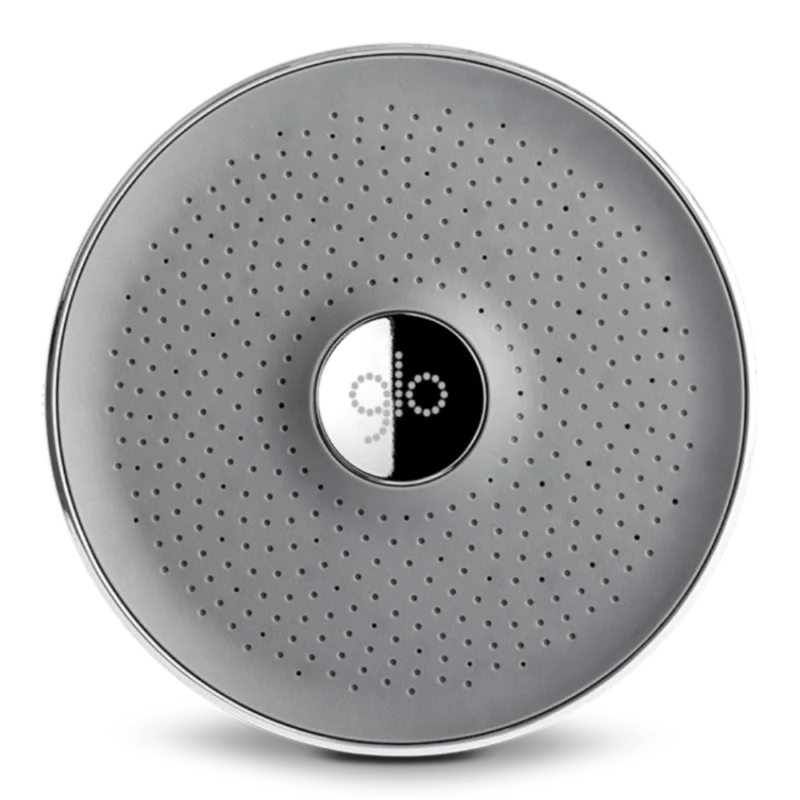
Refresh starts here. The GLO – Filtered Shower Head transforms ordinary water into pure clarity—removing impurities and softening every drop for radiant skin and luminous hair. One effortless switch turns your daily shower into a wellness ritual, leaving your body renewed and refreshed with every use.
Most municipal water contains chlorine, heavy metals, and mineral deposits. These substances can damage your hair, dry out your skin, and create unpleasant odors. A shower filter addresses these problems by cleaning the water during your daily routine.
The device works through physical and chemical filtration processes. Water flows through layers of materials like activated carbon, KDF (Kinetic Degradation Fluxion), and calcium sulfite. Each material targets specific contaminants. The result is cleaner water that feels softer and smells better.
The History of Water Filtration in Bathing
Ancient civilizations used basic filtration methods for bathing water. Romans built aqueducts with settling basins that removed sediment. Greeks used sand and gravel filters for public baths.
Modern shower filtration began in the 1970s. Scientists discovered that chlorine in shower water vaporizes at high temperatures. This creates chloroform gas that people inhale during hot showers. Studies showed potential health risks from this exposure.
The first commercial shower filters appeared in the 1980s. Early models used simple carbon blocks. They were bulky and required frequent replacement. Technology improved significantly in the 1990s. Manufacturers developed multi-stage filtration systems. These combined different media types for better contaminant removal.
Today’s shower filters use advanced materials and designs. Vitamin C filters emerged in the 2000s. Ceramic filters with silver particles offer antimicrobial properties. Modern units last longer and remove a wider range of contaminants than early versions.
How Shower Filters Work: The Technical Process
Physical Filtration Mechanisms
The filtration process starts with mechanical straining. Water passes through mesh screens that catch large particles like sediment and rust. These screens have openings measured in microns. Most shower filters use screens between 5 and 50 microns.
Next, water flows through porous materials. Activated carbon has millions of tiny pores. These pores create a massive surface area for trapping molecules. One gram of activated carbon has a surface area equal to 3,000 square meters.
The carbon attracts organic compounds through a process called adsorption. Molecules stick to the carbon surface. This removes chlorine, pesticides, and volatile organic compounds (VOCs).
Chemical Filtration Methods
KDF media uses a redox (reduction-oxidation) reaction. The material contains copper and zinc granules. These metals create an electrochemical field. Chlorine molecules break down into harmless chloride ions. Heavy metals like lead and mercury bond to the KDF surface.
Calcium sulfite works through a different chemical process. It reduces chlorine through a pH-neutral reaction. This method is effective in both hot and cold water. Calcium sulfite removes chlorine faster than carbon at higher temperatures.
Some filters include vitamin C (ascorbic acid). This creates a neutralization reaction with chlorine. The process is instantaneous and works efficiently in hot water. Vitamin C filters excel at removing chloramines, which are harder to filter than chlorine.
Types of Shower Filters Available
Inline Shower Filters
Inline filters install between the shower arm and showerhead. They are compact and hidden from view. Most inline models are 3-5 inches long and 2 inches in diameter.
Inline filters offer these advantages:
- Maintain bathroom aesthetics
- Work with any showerhead design
- Easy installation without tools
- Affordable price point ($20-50)
- Replaceable cartridges extend product life
Limitations include lower filtration capacity due to size constraints. They require replacement every 6-8 months with average use.
Shower Filter Heads
Filter showerheads integrate filtration media inside the showerhead unit. These devices combine water filtration with the showering mechanism. They replace your existing showerhead completely.
Benefits include single unit installation, higher water flow rates, and longer filter life (12-18 months). The main drawback is limited showerhead design options.
Handheld Shower Filters
Handheld filter units attach to a flexible hose. They provide filtration with mobility. These work well for washing pets, children, or cleaning the shower. Handheld models cost more ($40-80) but offer greater versatility.
Comparison Table
| Feature | Whole-House Filter | Shower Filter |
|---|---|---|
| Installation Cost | $1,000-3,000 | $20-100 |
| Coverage | All water outlets | Shower only |
| Maintenance | Annual professional service | DIY cartridge replacement |
| Filter Life | 3-5 years | 6-18 months |
| Flow Rate Impact | Minimal | Slight reduction possible |
| Best For | Complete home protection | Budget-conscious users |
Key Contaminants Removed by Shower Filters
Chlorine and Chloramines
Chlorine is the most common water disinfectant. Municipal water systems add it to kill bacteria. Typical concentrations range from 0.5 to 2.0 parts per million (ppm). Chlorine damages hair protein structure and strips natural oils from skin.
Chloramines are a chlorine-ammonia compound. Many cities now use chloramines instead of pure chlorine. They last longer in water systems but are harder to remove. Quality shower filters remove 90-99% of chlorine.
Heavy Metals
Lead enters water through old pipes and solder. Even low concentrations pose health risks. Shower water containing lead can absorb through skin. Mercury comes from industrial pollution and mining runoff. It affects the nervous system. KDF filters effectively remove mercury from shower water.
Iron causes orange stains on fixtures and dry skin. Copper leaches from plumbing pipes. Excess copper turns hair green and irritates skin. KDF filtration reduces copper content by 90% or more.
Volatile Organic Compounds (VOCs)
VOCs vaporize easily in hot shower water. You inhale these chemicals during your shower. Common VOCs in water include benzene, trichloroethylene, and trihalomethanes. Activated carbon excels at removing VOCs. The carbon pores trap these organic molecules effectively.
Hard Water Minerals
Calcium and magnesium create hard water. These minerals leave scale deposits on fixtures. Hard water prevents soap from lathering properly. It leaves a film on hair and skin. Most shower filters do not soften water completely. For severe hard water, a whole-house softener works better than a shower filter alone.
Health and Beauty Benefits
Skin Health Improvements
Filtered shower water reduces skin dryness. Chlorine strips away the lipid barrier that protects skin. This causes moisture loss and irritation. Removing chlorine helps skin maintain natural hydration.
People with eczema and psoriasis report symptom improvement. These conditions worsen with chlorine exposure. Filtered water reduces inflammation and itching. Skin texture improves over time. Users notice softer, smoother skin within 2-4 weeks.
Hair Care Advantages
Chlorine damages the cuticle layer of hair. This protective outer layer keeps hair strong and shiny. Damaged cuticles create frizz, breakage, and dullness.
Filtered water preserves hair color. Chlorine and heavy metals cause color-treated hair to fade quickly. Copper specifically turns blonde hair green. A shower filter extends the life of hair dye by 30-50%.
Hair feels softer and more manageable. Minerals in unfiltered water create buildup on hair strands. Filtered water rinses cleaner and leaves no residue. Scalp health improves dramatically. Chlorine irritates the scalp and causes dandruff.
Respiratory Health Considerations
Hot showers release chlorine gas into the air. This gas irritates the respiratory system. People with asthma experience fewer attacks with filtered water.
The Environmental Protection Agency states that chlorine inhalation during showers exceeds exposure from drinking water. Steam carries chlorine directly into lungs. A shower filter eliminates this exposure route.
Refresh starts here. The GLO – Filtered Shower Head transforms ordinary water into pure clarity—removing impurities and softening every drop for radiant skin and luminous hair. One effortless switch turns your daily shower into a wellness ritual, leaving your body renewed and refreshed with every use.
Installation and Maintenance
Basic Installation Steps
Installing a shower filter requires no professional help. Most people complete the process in 10-15 minutes. You need only one tool: an adjustable wrench or pliers.
Follow these steps:
- Remove the existing showerhead by turning counterclockwise
- Clean the shower arm threads with a cloth
- Wrap plumber’s tape around threads 3-4 times
- Screw the filter onto the shower arm clockwise
- Attach the showerhead to the filter outlet
- Hand-tighten all connections
- Run water for 30 seconds to flush the filter
- Check for leaks and tighten if necessary
Most shower filters use standard 1/2-inch NPT connections. This fits 95% of showers in North America.
Replacement Schedule Guidelines
Filter lifespan depends on water quality and usage frequency. Standard replacement intervals include:
- 6 months: Average household with 2-3 people
- 12 months: Single person or low usage
- 3-4 months: Large families or very poor water quality
- Based on gallons: Typically 10,000-15,000 gallons per cartridge
Signs you need immediate replacement include decreased water flow, returning chlorine smell, and noticeable changes in skin and hair condition. Do not exceed the recommended replacement interval. Saturated filters stop working effectively.
Maintenance Tips
External cleaning maintains appearance and function. Wipe the filter housing weekly with a damp cloth. This prevents soap scum buildup.
Descaling the filter housing every 2-3 months helps in hard water areas. Mix equal parts white vinegar and water. Soak the housing (without cartridge) for 30 minutes. Rinse thoroughly before reinstalling.
Check connection points for leaks monthly. Tighten connections if you notice dripping. Replace worn washers to maintain seals.
Selecting the Right Shower Filter
Assessing Your Water Quality
Determine your water’s contaminants before buying a filter. This ensures you choose appropriate filtration technology.
Request a water quality report: Municipal water suppliers provide annual reports free. Search “water quality report” with your city name online.
Home water testing: Purchase a test kit for $20-50. These check for chlorine, pH, hardness, lead, and other common issues.
Key factors to identify include chlorine levels above 1.0 ppm, heavy metal detection, hard water above 120 mg/L, and chloramine presence.
Matching Filter Type to Needs
Different filters excel at different tasks. Match the filter type to your primary concern.
For chlorine removal: Activated carbon or vitamin C filters work best. Look for products specifying 95%+ chlorine reduction.
For heavy metals: Choose filters with KDF media. Verify the filter lists your specific metal concern.
For hard water: Select filters with water softening stages. Note that complete softening requires a whole-house system.
For chloramines: Calcium sulfite or vitamin C filters remove chloramines effectively. Standard carbon filters do not work well on chloramines.
Budget Considerations
Shower filter costs include initial purchase and ongoing cartridge replacement.
Initial costs:
- Basic inline filter: $20-40
- Mid-range filter showerhead: $40-70
- Premium multi-stage system: $70-150
Annual maintenance costs:
- Replacement cartridges: $15-50 each
- Frequency: 1-4 cartridges per year
- Total annual cost: $30-200
Calculate cost per gallon for true value comparison. Divide total annual cost by gallons filtered. Lower cost per gallon indicates better value.
Performance Certifications
NSF International Certifications
NSF International is an independent testing organization. They verify manufacturer claims through rigorous testing. NSF/ANSI Standard 177 tests for shower filtration devices specifically. It covers chlorine reduction claims and structural integrity.
NSF/ANSI Standard 53 covers health effects. It tests heavy metal removal and other contaminants. Look for NSF marks on product packaging. The mark includes a certification number you can verify on NSF’s website.
Understanding Performance Claims
Manufacturers state filtration percentages for different contaminants. Understanding these claims helps you compare products.
“Reduces chlorine by 90%”: Means the filter removes 90% of chlorine at the beginning of its life. Performance decreases as the filter ages.
“Tested to X gallons”: Indicates the filter maintains performance up to this volume. Beyond this point, filtration effectiveness drops.
Be skeptical of filters claiming to remove “all” contaminants or offering “lifetime” cartridges. No filter removes everything forever.
Common Problems and Solutions
Reduced Water Flow
Decreased pressure is the most common complaint. Clogged filter media requires immediate cartridge replacement. Sediment buildup on pre-filter screens needs cleaning. Check that the filter is not cross-threaded during installation.
Leaking Connections
Leaks waste water and reduce filtration effectiveness. Missing or damaged washers need replacement. Insufficient plumber’s tape requires reapplication with 4-5 wraps. Cross-threading needs correction by unscrewing completely and realigning threads carefully.
Noisy Operation
Vibration noise from trapped air requires running water at full pressure for 2-3 minutes. Whistling sounds from restricted flow indicate improper cartridge seating. Check that o-ring seals are in place.
Final Selection Steps
Use this systematic approach to choose your shower filter:
Step 1: Test your water or review your municipal water report. Identify primary contaminants.
Step 2: Determine your budget. Include initial cost and annual cartridge replacement expenses.
Step 3: Match filter type to contaminants. Carbon for chlorine, KDF for heavy metals, vitamin C for chloramines.
Step 4: Verify compatibility with your showerhead and shower arm threading.
Step 5: Check certifications. Look for NSF or WQA testing verification.
Step 6: Read customer reviews focusing on long-term performance.
Step 7: Calculate cost per gallon for value comparison.
Step 8: Install following manufacturer instructions precisely.
Step 9: Mark your calendar for cartridge replacement based on usage estimates.
A shower filter improves water quality at a reasonable cost. The device protects your hair and skin from harmful chemicals. Installation requires minimal effort and no special skills. Regular maintenance ensures continued performance. Choose based on your specific water quality issues and budget constraints. The investment pays dividends through better health outcomes and improved daily comfort.
Refresh starts here. The GLO – Filtered Shower Head transforms ordinary water into pure clarity—removing impurities and softening every drop for radiant skin and luminous hair. One effortless switch turns your daily shower into a wellness ritual, leaving your body renewed and refreshed with every use.